What Happens If You Ignore a Cavity?
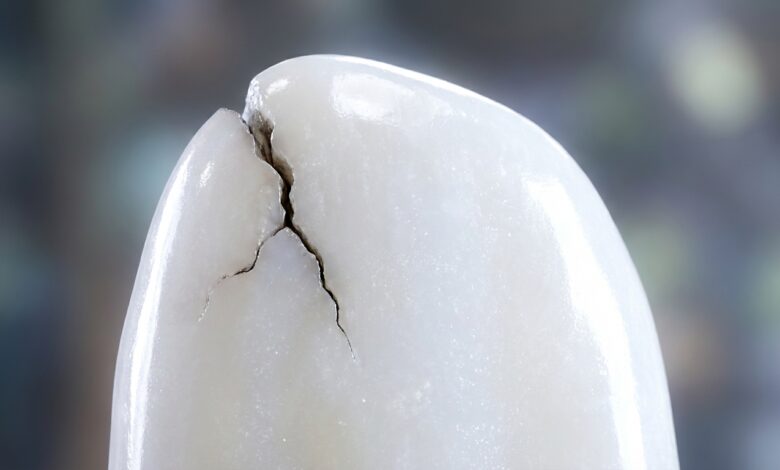
What Happens If You Ignore a Cavity? That small twinge of sensitivity you feel when drinking something cold, or the tiny, discolored spot you notice on a molar—it’s easy to dismiss these as minor issues. A cavity, or dental caries, often begins silently, without pain or significant discomfort. This deceptive start is precisely why so many people choose to put off a visit to the dentist. However, ignoring a cavity is not a passive act; it is an invitation for a cascade of increasingly severe, painful, and costly dental problems. A cavity is not a static condition; it is a progressive disease. Understanding the journey of an untreated cavity, from a minor inconvenience to a major health risk, is the first step toward appreciating the critical importance of timely dental care.
The process begins with an assault on your tooth’s primary defense: the enamel. This outer layer is the hardest substance in the human body, yet it is vulnerable to acid. Bacteria in your mouth, particularly strains like Streptococcus mutans, feed on the sugars and starches from your food. As they metabolize these sugars, they produce acids that lower the pH level on the tooth’s surface. This acidic environment leaches vital minerals, like calcium and phosphate, from the enamel in a process called demineralization. In its earliest stage, this damage may only appear as a chalky white spot on the tooth. At this point, the decay is often reversible with fluoride treatments and improved oral hygiene, as these can help remineralize the enamel. The problem is that these initial lesions are typically painless and difficult to see without a professional examination, making it all too easy to be unaware of the impending danger.
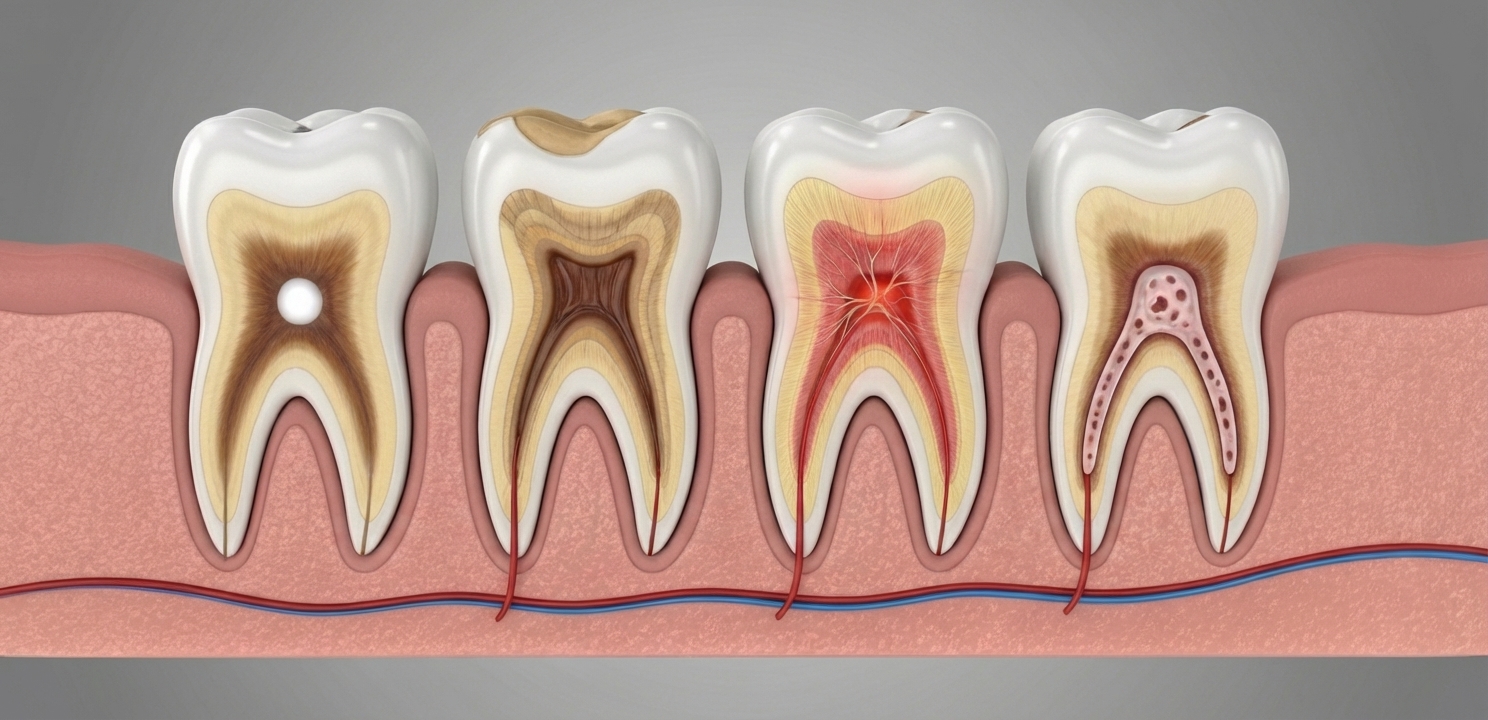
The Progression from Enamel to Dentin
If the demineralization process continues unchecked, the acid will eventually create a physical breach in the enamel surface. This is the point where a reversible lesion becomes a true cavity that requires restorative treatment. Once the decay penetrates the enamel, it reaches the second layer of the tooth: the dentin. Dentin is much softer and more porous than enamel, containing thousands of microscopic tubules that lead directly to the tooth’s nerve center, the pulp.
When the cavity reaches the dentin, several new symptoms are likely to emerge:
- Tooth Sensitivity: The tubules in the dentin act as channels, allowing heat, cold, and sugary substances to stimulate the nerves in the pulp. This is why you might suddenly feel a sharp, short pain when eating ice cream or drinking hot coffee.
- Visible Discoloration: As the dentin decays, the cavity will often appear as a brown or black spot on the tooth.
- Pain When Biting: The pressure from chewing can irritate the compromised tooth structure and the nearby pulp, causing discomfort.
At this stage, the standard treatment is a dental filling. The procedure involves the dentist removing the decayed portion of the tooth, cleaning the affected area, and then filling the cleaned-out cavity with a restorative material. Materials can range from amalgam (silver) to composite resin (tooth-colored), effectively stopping the decay and restoring the tooth’s function and shape. While a filling is a straightforward and common procedure, it is significantly more invasive and costly than the simple fluoride treatments that could have addressed the issue in its initial white-spot stage.
When Decay Reaches the Tooth’s Nerve
Ignoring the sensitivity and visible signs of a dentin cavity allows the bacteria to continue their destructive path inward. The ultimate target is the dental pulp, the soft tissue at the center of the tooth that contains nerves, blood vessels, and connective tissue. When the infection reaches the pulp, the condition is known as pulpitis. This is where the pain level escalates dramatically.
The symptoms of an infected pulp are unmistakable and severe:
- Intense, Spontaneous Pain: A throbbing, persistent toothache that can occur without any trigger and may be strong enough to wake you from sleep.
- Lingering Sensitivity: Unlike the short, sharp pain of dentin sensitivity, pain from hot or cold stimuli may linger for 30 seconds or longer after the trigger is removed.
- Pain Radiating to Other Areas: The pain can radiate to the jaw, ear, or other teeth on the same side of the face.
- Gum Swelling: The area of the gum around the affected tooth may become swollen and tender.
Once the pulp is infected, a simple filling is no longer an option. The infection will not clear up on its own. The required treatment is a root canal therapy. During this procedure, the endodontist or dentist drills into the tooth, removes the entire infected pulp, carefully cleans and disinfects the inside of the root canals, and then fills and seals the space. Because a tooth that has had a root canal is no longer vital and can become brittle, it almost always requires a dental crown to be placed over it for protection and strength.
The Serious Danger of a Dental Abscess
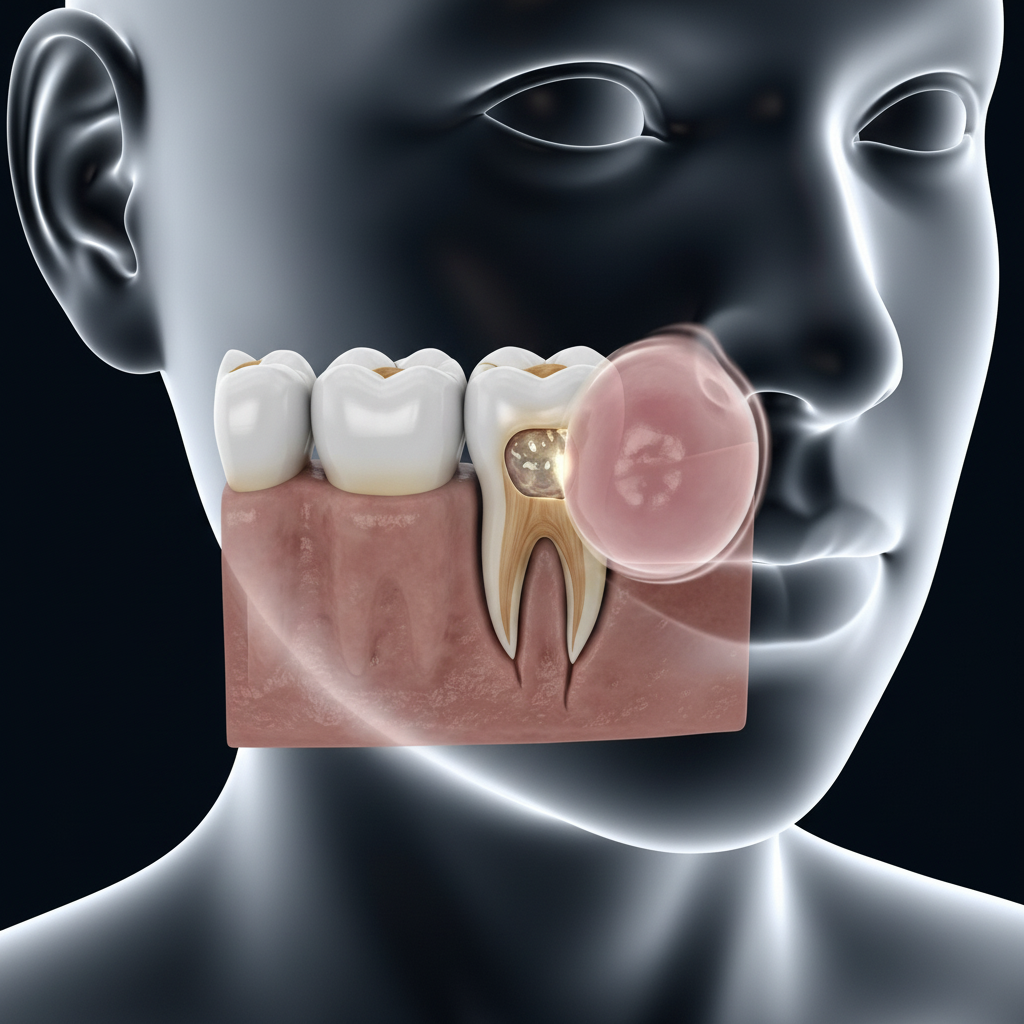
If even the excruciating pain of pulpitis is ignored, the infection will worsen. The bacteria and dying pulp tissue can create a pocket of pus at the root tip of thetooth, known as a periapical abscess. A dental abscess is a serious and potentially life-threatening infection. The pressure from the buildup of pus causes severe, localized pain that is often described as the worst pain a person can experience.
Key signs of a dental abscess include:
- Severe, persistent, and throbbing toothache that can radiate to the jawbone, neck, or ear.
- Swelling in your face, cheek, or lymph nodes in your neck.
- Fever and a general feeling of being unwell.
- A sudden rush of foul-tasting, salty fluid in your mouth if the abscess ruptures.
An abscess is a medical emergency. The infection can spread from the tooth root into the surrounding jawbone. From there, it has the potential to travel to other parts of the body. According to the National Center for Biotechnology Information, such odontogenic infections can lead to severe systemic manifestations. The infection can spread to the sinuses, the brain, or into the bloodstream, a condition called sepsis, which can be fatal. The urgency of treating an abscess cannot be overstated.
The Ultimate Consequences if You Ignore a Cavity
Ultimately, if a cavity is left to progress through all these stages, the structural integrity of the tooth will be completely destroyed. The tooth will become so weakened by decay and infection that it cannot be saved by any restorative procedure, not even a root canal. At this point, the only remaining option is extraction—the complete removal of the tooth.
Losing a tooth is far more than a cosmetic issue. It sets off a chain reaction that affects the entire mouth. The neighboring teeth may begin to drift and shift into the empty space, causing a misalignment of your bite. This can lead to problems with the jaw joint (TMJ), difficulty chewing, and even further tooth decay as the new, crooked alignment can be harder to clean. Furthermore, the jawbone in the area of the missing tooth will begin to deteriorate due to lack of stimulation, a process called bone resorption. This can lead to changes in your facial structure over time, giving a more sunken, aged appearance. Replacing a lost tooth with a dental implant, bridge, or denture is far more complex and expensive than treating the initial cavity.
To better visualize the downward spiral, consider the escalating stages of this preventable disease.
Progression of an Untreated Cavity
| Stage | Affected Tooth Layer | Common Symptoms | Typical Treatment |
|---|---|---|---|
| Stage 1: White Spots | Outer Enamel | None, or chalky white spots. | Fluoride treatment, improved hygiene. |
| Stage 2: Enamel Decay | Enamel | Minimal to no symptoms. | Dental Filling. |
| Stage 3: Dentin Decay | Dentin | Sensitivity to hot, cold, and sweets. | Dental Filling. |
| Stage 4: Pulp Infection | Pulp (Nerve) | Severe, spontaneous, lingering pain. | Root Canal Therapy & Crown. |
| Stage 5: Abscess | Root Tip & Jawbone | Extreme pain, swelling, fever. | Drainage, Root Canal, or Extraction. |
| Stage 6: Tooth Loss | Entire Tooth | Tooth is broken, loose, or non-restorable. | Extraction & Tooth Replacement. |
The journey from a small, painless spot on your enamel to a systemic infection and tooth loss is a clear illustration of why preventative care is paramount in dentistry. Regular dental check-ups and cleanings allow professionals to detect cavities in their earliest, most manageable stages. What begins as a simple, reversible issue can quickly morph into a complex, painful, and financially draining ordeal if ignored. Protecting your oral health is an investment in your overall well-being, ensuring that a minor problem does not become a major threat.