10 Early Signs of Gum Disease You Should Never Ignore
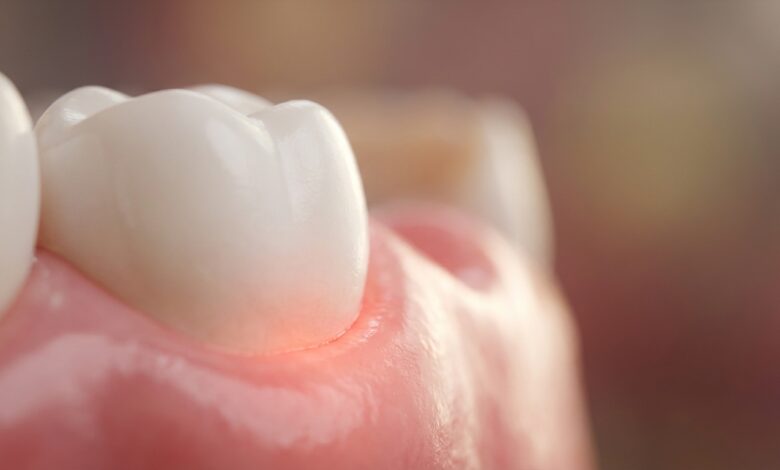
Perhaps the most common and easily noticeable sign is gums that bleed during or after brushing and flossing. Healthy gums should not bleed from routine cleaning. Bleeding is a direct result of inflammation caused by plaque buildup at the gumline. Many people mistakenly stop flossing when they see blood, but this allows the plaque to accumulate further, worsening the problem.
2. Red, Swollen, or Tender Gums
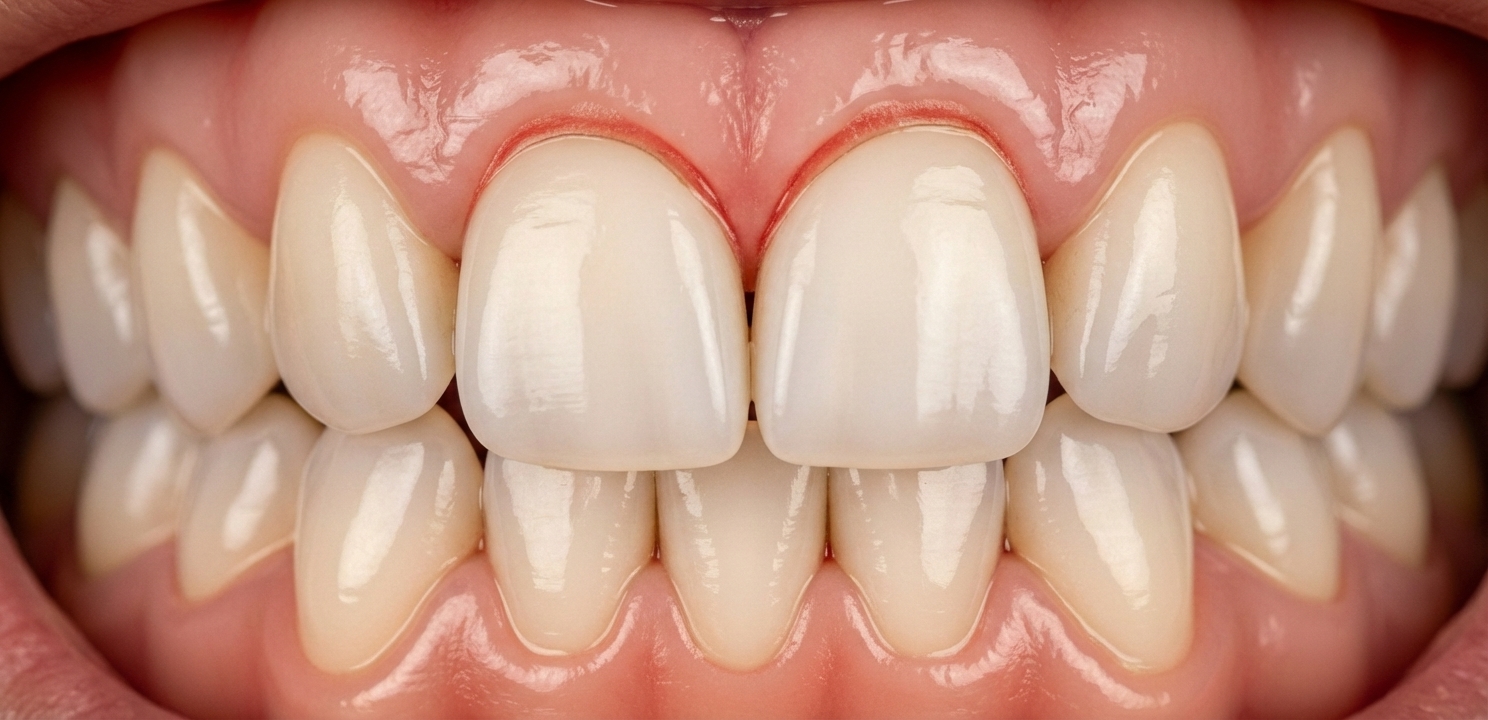
Healthy gums are typically a pale pink color and are firm to the touch. Gums affected by gingivitis often appear bright red, purplish, or dusky red. This change in color is due to increased blood flow to the inflamed area. The gums may also look puffy or swollen and can be tender or painful when touched.
3. Persistent Bad Breath (Halitosis)
While bad breath can be caused by food, smoking, or dry mouth, persistent halitosis that does not go away with brushing and mouthwash can be a sign of gum disease. The bacteria living in the plaque on your teeth and in the pockets of your gums release foul-smelling sulfur compounds, leading to a chronic unpleasant odor.
4. Receding Gums
If your teeth appear to be getting longer, it is likely a sign of gum recession. The inflamed gum tissue begins to pull away from the teeth, exposing more of the tooth surface and even the root. This is a clear indicator that the disease is progressing from gingivitis towards periodontitis and that the supporting structures of the teeth are being compromised.
5. Tooth Sensitivity
As gums recede, the sensitive part of the tooth root, known as dentin, becomes exposed. This can lead to increased sensitivity to hot, cold, or sweet foods and drinks. While sensitivity can have other causes, when it occurs in conjunction with other gum-related symptoms, it is a strong warning sign.
6. Pus Between Teeth and Gums
The presence of pus, a yellowish-white fluid, is a definitive sign of an infection. In the context of gum disease, this is called a periodontal abscess. It indicates that the body is trying to fight off the bacterial infection in the gum pockets. This is a serious symptom that requires immediate dental attention.
7. Changes in Your Bite
As periodontitis advances and affects the bone supporting the teeth, the teeth can begin to shift or drift. You may notice that your upper and lower teeth do not fit together in the same way they used to. This change in your occlusion, or bite, is a sign of significant underlying damage.
8. Loose Teeth
Loose or mobile teeth are a classic sign of advanced periodontitis. The destruction of the surrounding bone and periodontal ligament means the teeth are no longer securely anchored in their sockets. This is a very serious symptom and signifies a high risk of tooth loss.
9. Pain While Chewing
Discomfort or a dull ache when you chew can be caused by the pressure being placed on teeth that have a compromised support structure. The inflammation in the surrounding ligaments and the movement of loose teeth can make the simple act of eating a painful experience.
10. A Persistent Bad Taste

Similar to bad breath, a constant metallic or sour taste in your mouth can be caused by the byproducts of the bacterial infection in your gums. This unpleasant taste often lingers even after you have brushed your teeth and is a signal that there is an active infection that needs to be treated.