The Best Oral Hygiene Routine for Adults
The Best Oral Hygiene Routine for Adults is a foundational pillar of overall health, extending far beyond the cosmetic appeal of a bright smile. A meticulous and consistent approach to dental care is your primary defense against a host of preventable conditions, including cavities (dental caries), gingivitis, periodontitis, and persistent bad breath (halitosis). Neglecting this crucial aspect of self-care can lead to pain, tooth loss, and has even been linked to systemic health issues such as cardiovascular disease and diabetes. Establishing a comprehensive routine is not merely about habit; it is an investment in your long-term well-being, preventing complex and costly dental procedures down the line. This guide provides a detailed framework for building and maintaining an optimal oral care regimen.
The Core Components of Daily Oral Care
The daily actions you take form the bedrock of dental health. These are the non-negotiable steps that directly combat the primary culprits of dental disease: plaque and harmful bacteria. Mastering these techniques ensures that you are effectively cleaning your teeth and gums every single day.
Mastering Brushing Technique
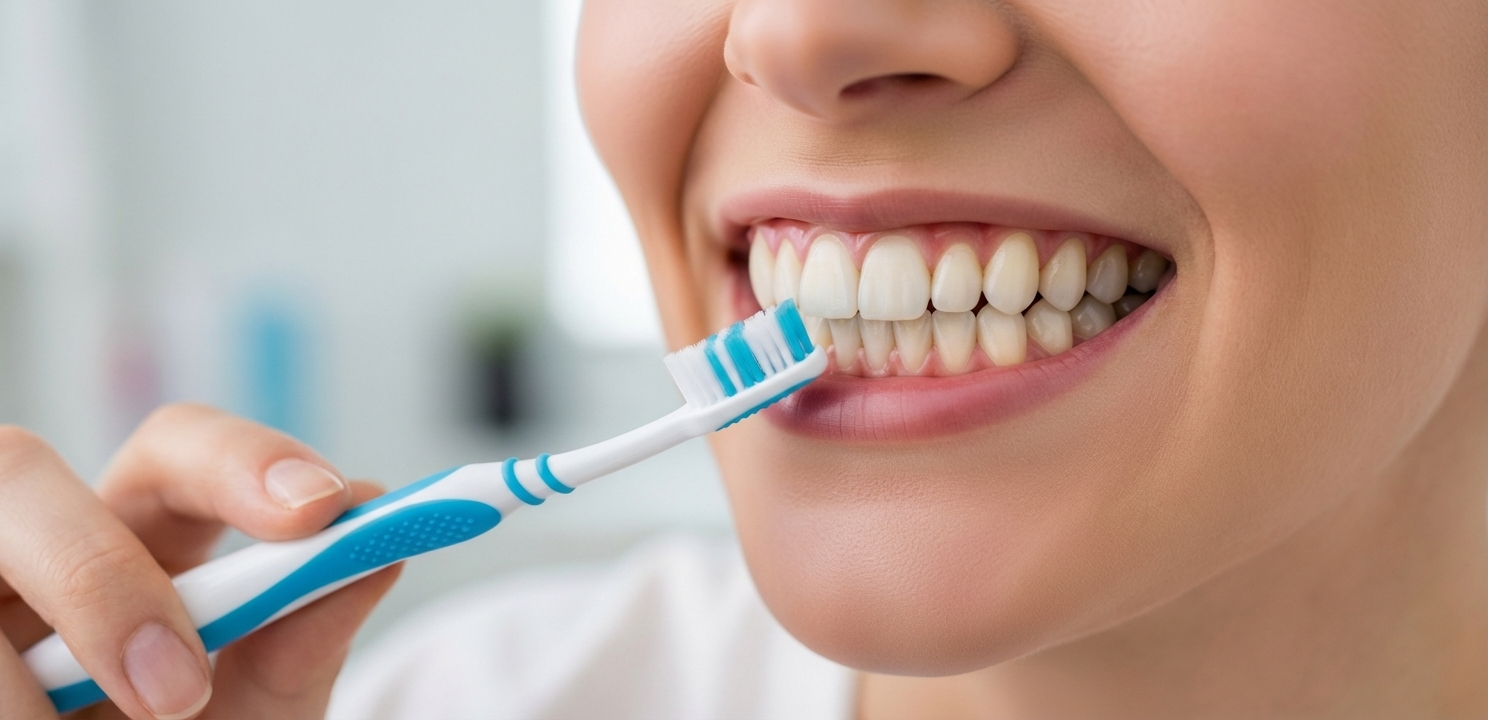
Brushing your teeth is the most fundamental part of any oral hygiene routine, yet it is often performed incorrectly. The goal is not to scrub aggressively but to gently and systematically remove the sticky film of bacteria known as plaque. To do this effectively, use a toothbrush with soft bristles, as hard bristles can damage enamel and cause gum recession over time. Apply a pea-sized amount of fluoride toothpaste. Fluoride is a mineral that helps to remineralize tooth enamel, making it more resistant to acid attacks from bacteria.
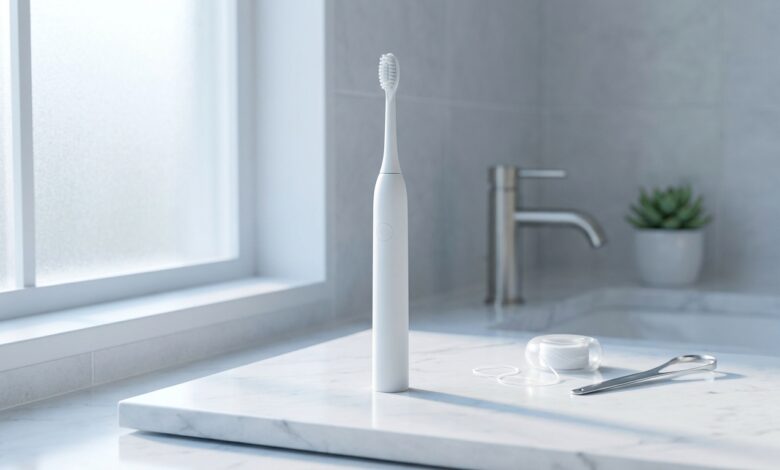
Position the toothbrush at a 45-degree angle to the gums. This angle allows the bristles to reach and clean the critical area just below the gumline where plaque accumulates most heavily. Use gentle, short strokes—either in a circular motion or back-and-forth—to clean the outer and inner surfaces of all your teeth. Devote adequate time to the chewing surfaces as well. The entire process should last for a minimum of two minutes. Many electric toothbrushes have built-in timers to help with this. Brushing should be performed at least twice a day, typically in the morning after breakfast and at night before bed.
The Non-Negotiable Step: Flossing
Brushing alone is an incomplete cleaning. A toothbrush, no matter how advanced, cannot effectively clean the tight spaces between the teeth and under the gumline. These areas account for a significant portion of your tooth’s surface. Flossing is the only way to remove plaque and food particles from these interdental spaces. Neglecting to floss allows plaque to harden into tartar (or calculus), which can only be removed by a dental professional and is a leading cause of gum disease.
To floss correctly, take about 18-24 inches of dental floss. Wrap most of it around one middle finger and a small amount around the other. Hold the floss tightly between your thumbs and forefingers and gently guide it between your teeth using a rubbing motion. Never snap the floss into the gums. When the floss reaches the gumline, curve it into a C-shape against one tooth. Gently slide it into the space between the gum and the tooth until you feel resistance. Rub the side of the tooth, moving the floss away from the gum with up-and-down motions. Repeat this process for every tooth, including the back side of your very last molars, using a clean section of floss for each one.
The Role of Mouthwash
Mouthwash, also known as an oral rinse, should be considered a supplementary tool, not a replacement for brushing and flossing. It can reach areas that are difficult to access with a brush or floss. There are two primary categories of mouthwash: cosmetic and therapeutic. Cosmetic rinses may temporarily control bad breath and leave a pleasant taste, but they have no chemical or biological application. Therapeutic rinses, on the other hand, contain active ingredients that help to control or reduce conditions like plaque, gingivitis, and cavities. Look for mouthwashes with ingredients like cetylpyridinium chloride for reducing plaque, chlorhexidine for controlling gingivitis (often prescription-based), and fluoride for strengthening enamel. Rinsing for 30-60 seconds after brushing and flossing can provide an extra layer of protection.
Elevating Your Comprehensive Oral Hygiene Routine
Once the core habits are established, incorporating a few additional steps can significantly enhance the effectiveness of your routine, leading to better long-term oral health and a fresher feeling mouth.
Tongue Scraping for Fresher Breath
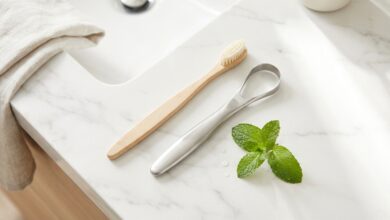
The surface of the tongue is covered in tiny papillae that can trap food particles, dead cells, and bacteria. This buildup is a primary source of volatile sulfur compounds (VSCs), which are responsible for most cases of halitosis. While brushing your tongue with a toothbrush helps, a dedicated tongue scraper is far more effective at removing this coating. By gently scraping from the back of the tongue to the front a few times each morning, you can significantly reduce the bacterial load in your mouth, leading to fresher breath and an improved sense of taste.
The Impact of Diet on Dental Health
What you eat and drink has a direct and profound impact on the health of your teeth and gums. Sugary foods and drinks are particularly detrimental, as the harmful bacteria in your mouth feed on these sugars to create acids that erode tooth enamel. Similarly, acidic beverages like soda, sports drinks, and even fruit juices can directly wear away enamel. Starchy foods, such as chips or soft bread, can get trapped between teeth and break down into sugar. To protect your teeth, limit your consumption of these items. Instead, focus on a diet rich in tooth-friendly foods. Crunchy fruits and vegetables like apples and carrots act as natural abrasives, cleaning your teeth as you chew. Calcium-rich foods like cheese, milk, and yogurt help to strengthen bones and teeth.
Hydration’s Crucial Role
Water is arguably the best beverage for your oral health. Drinking plenty of water throughout the day helps to wash away food debris and residual sugars, neutralizing harmful acids before they can attack your teeth. Furthermore, proper hydration is essential for saliva production. Saliva is your body’s natural defense mechanism for your mouth; it contains proteins and minerals that protect tooth enamel and prevent gum disease and tooth decay. A dry mouth (xerostomia) significantly increases your risk for dental problems, so ensuring you are well-hydrated is a simple but powerful step in your oral care.
Structuring Your Daily and Weekly Regimen
Consistency is key. A structured approach ensures all necessary steps are completed regularly for maximum benefit. The following table outlines a sample daily and weekly oral care schedule.
| Time / Frequency | Action | Purpose and Key Details |
|---|---|---|
| Morning (Daily) | Tongue Scraping & Brushing | Remove overnight bacteria buildup. Use a soft-bristled brush with fluoride toothpaste for two minutes. |
| After Meals (Daily) | Rinse with Water | Helps to neutralize acids and wash away food particles. Chewing sugar-free gum with xylitol can also stimulate saliva flow. |
| Evening (Daily) | Flossing, Brushing, & Mouthwash | The most critical cleaning of the day. Floss first to dislodge debris, then brush for two minutes, and finish with a therapeutic mouthwash. |
| Every 3-4 Months | Replace Toothbrush | Bristles become frayed and less effective over time. Replace sooner if you have been sick. |
| Every 6 Months | Professional Dental Visit | Essential for professional cleaning (scaling) to remove tartar and for a comprehensive examination to detect issues early. |
The Importance of Professional Dental Care
No at-home routine, no matter how diligent, can replace the need for professional dental care. Your dentist and dental hygienist are partners in maintaining your oral health, providing services and diagnostics that are impossible to perform on your own.
Regular Check-ups and Cleanings
Even with perfect brushing and flossing, some plaque will inevitably be missed and can harden into tartar. Once tartar has formed, it cannot be removed with a toothbrush or floss; it requires professional instruments in a process called scaling. During a professional cleaning, a hygienist will remove all tartar and plaque from your teeth and polish them to remove surface stains. These visits, typically recommended every six months, are also crucial for early detection. Your dentist will examine your teeth, gums, and mouth for any signs of trouble, such as early-stage cavities, gum disease, or even abnormalities that could indicate oral cancer. Early detection makes treatment simpler, less invasive, and more successful.
When to Seek Professional Advice
Beyond your routine six-month visits, certain symptoms should prompt an immediate call to your dental clinic. Do not ignore persistent toothaches, gums that bleed easily when you brush, or heightened sensitivity to hot and cold temperatures. These are often signs of underlying problems like cavities or gum inflammation. Likewise, if you suffer from what causes bad breath and how to get rid of it despite a rigorous hygiene routine, it could indicate a more serious issue that needs professional attention.
Common Mistakes to Avoid
Many well-intentioned individuals undermine their efforts by making common mistakes. Avoiding these pitfalls is just as important as performing the correct actions.
Brushing Too Hard
Aggressive brushing does not lead to cleaner teeth; it leads to damaged teeth and gums. Applying too much pressure can wear down your tooth enamel, making your teeth more sensitive and susceptible to decay. It can also cause your gums to recede, exposing the sensitive root surfaces of the teeth. Always use a soft-bristled brush and think of the motion as massaging your teeth and gums, not scrubbing a floor.
Using an Old Toothbrush
A toothbrush’s effectiveness diminishes over time. The bristles become frayed, bent, and worn, preventing them from adequately cleaning all surfaces and reaching into crevices. An old toothbrush can also harbor a significant amount of bacteria. It is essential to replace your toothbrush (or the head of your electric toothbrush) every three to four months, or sooner if the bristles are visibly splayed.
Skipping the Floss
One of the most frequent and damaging mistakes is skipping the floss. Many people view it as an optional extra, but it is a critical component of a complete clean. As mentioned, brushing only cleans about 60% of your tooth surfaces. The remaining 40% between the teeth and under the gums is a prime breeding ground for plaque. Consistent interdental cleaning is crucial for preventing cavities between the teeth and is considered a cornerstone in the prevention of periodontal diseases, as noted in numerous clinical studies and reviews.
Rinsing with Water Immediately After Brushing

After brushing with fluoride toothpaste, many people immediately rinse their mouth thoroughly with water. This action washes away the concentrated layer of fluoride that has just been applied to the teeth, significantly reducing its protective, enamel-strengthening benefits. To get the most out of your toothpaste, simply spit out the excess foam and avoid rinsing, eating, or drinking for at least 30 minutes. If you feel the need to rinse, use a fluoride-containing mouthwash instead of water.