Is It Safe to Get Veneers in Turkey?
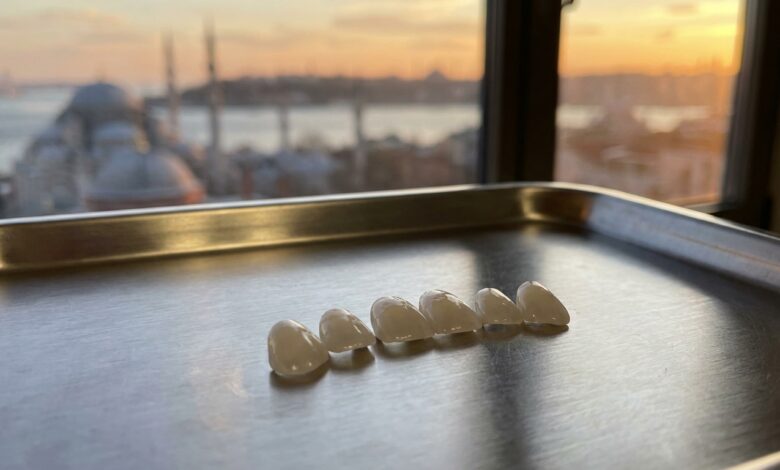
This question is one of the most common concerns for individuals considering dental tourism, and the answer is a resounding yes, provided you do your research and choose a reputable, accredited clinic. The rise of Turkey as a global hub for medical and dental procedures has been meteoric, driven by a combination of highly skilled professionals, state-of-the-art technology, and significantly more affordable pricing compared to the UK, Europe, and the United States. However, this popularity has also led to a saturated market where distinguishing top-tier clinics from subpar providers is crucial. The safety and success of your veneer treatment depend entirely on the standards of the facility you select. A premier clinic in Istanbul or Antalya will adhere to the same, if not stricter, international hygiene and quality protocols as any elite clinic in London or New York. They invest heavily in the latest dental technology and use globally recognized materials to ensure patient safety and deliver world-class results. Therefore, the focus should not be on the country itself, but on the rigorous process of vetting and selecting a clinic with a proven track record of excellence and patient satisfaction.
Is It Safe to Get Veneers in Turkey?
Why Turkey is a Premier Destination for Dental Veneers
Turkey has strategically positioned itself as a leader in the global health tourism industry. This status is not accidental but the result of concerted efforts in education, technological investment, and a patient-centric approach to healthcare. For dental treatments, and specifically for cosmetic procedures like veneers, the country offers a compelling value proposition that extends far beyond just the cost.
Advanced Technology and Materials
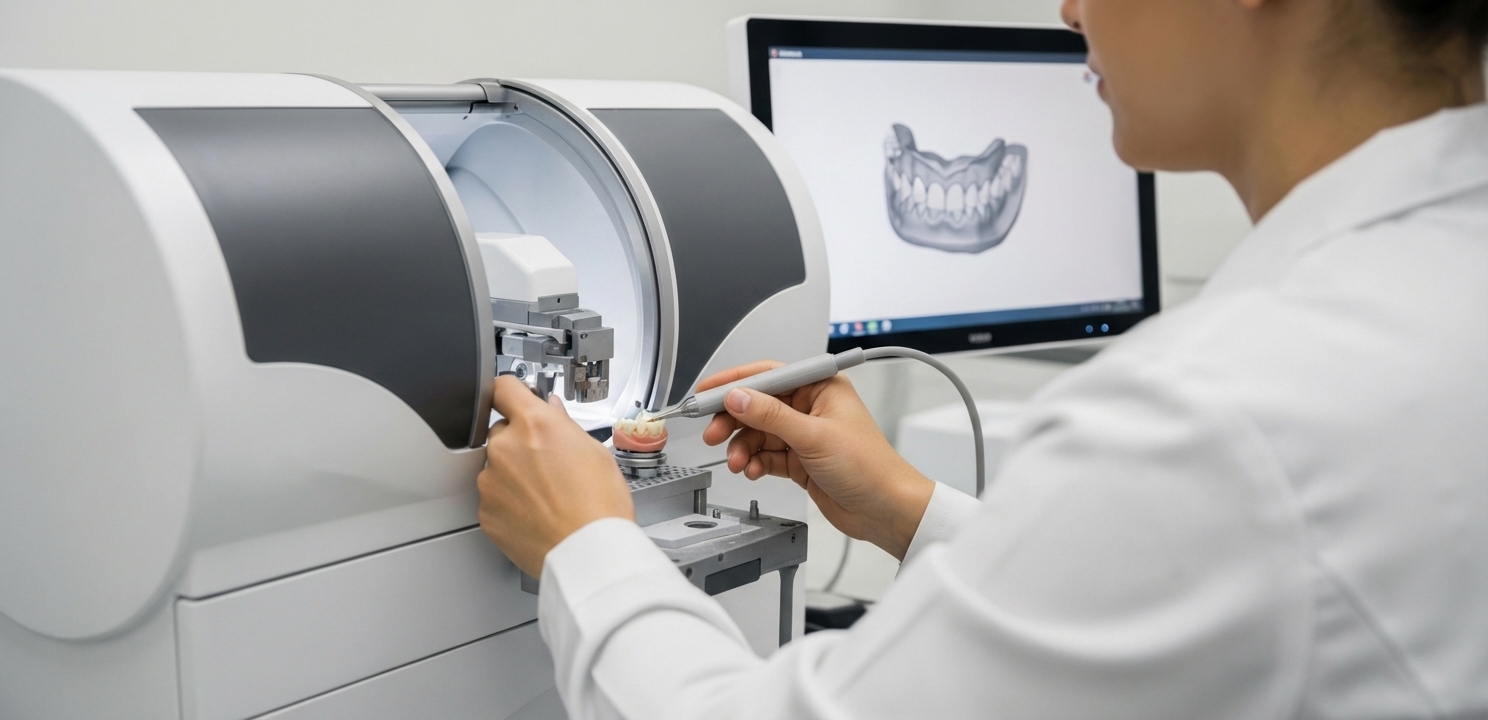
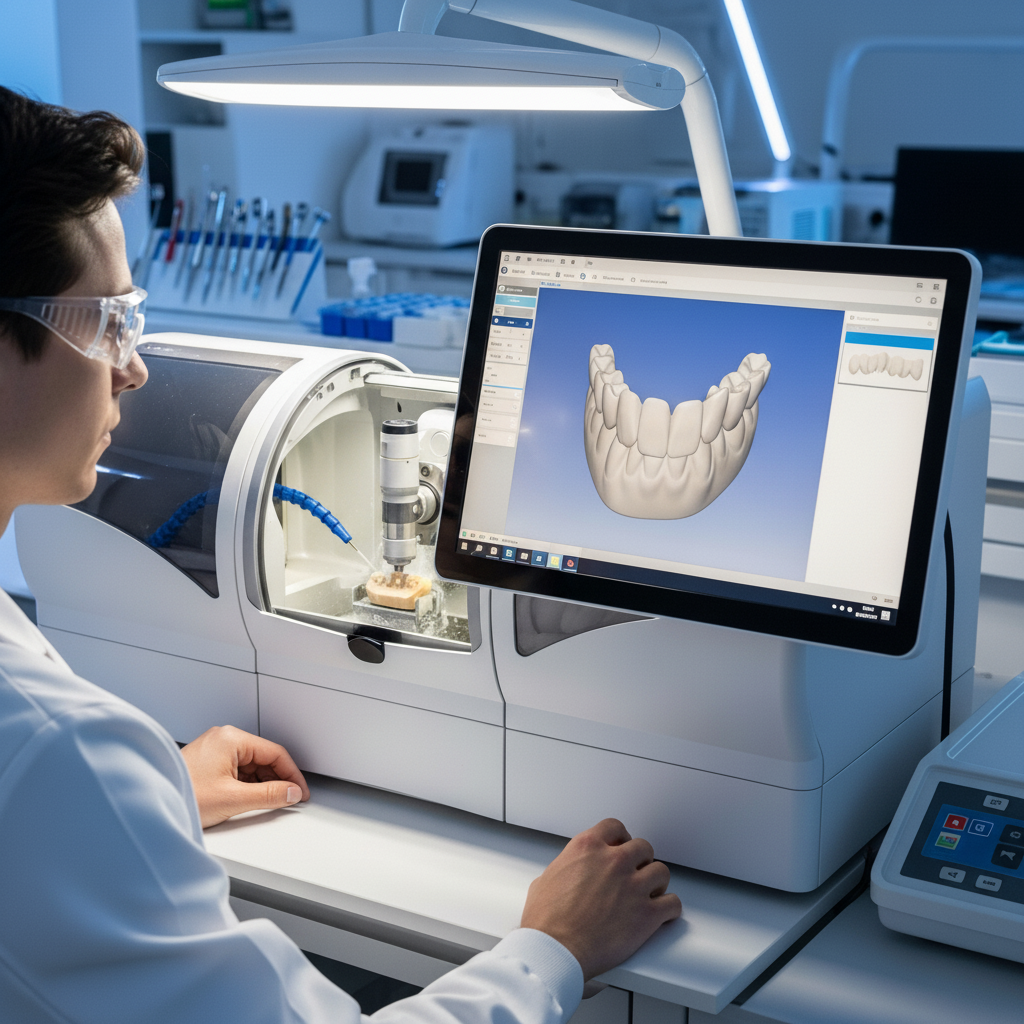
Top Turkish dental clinics are equipped with the most advanced dental technology available today. This includes systems like CAD/CAM (Computer-Aided Design/Computer-Aided Manufacturing), which allows for the precise and rapid creation of custom veneers right in the clinic. Digital smile design software enables patients to see a simulation of their final look before the treatment even begins, ensuring complete satisfaction with the outcome. Furthermore, these clinics do not compromise on the quality of materials. They exclusively use A-grade porcelain, E-max, and zirconia veneers from leading international brands manufactured in countries like Germany and Switzerland. This commitment to using premium materials is fundamental to the longevity, durability, and natural aesthetic of the final smile makeover.
Highly Skilled and Experienced Dentists
The Turkish dental education system is rigorous, and many cosmetic dentists pursue further specialization and training in aesthetic dentistry in Europe and the United States. They often have decades of experience and have performed thousands of veneer procedures, giving them a level of expertise that is difficult to match. They are members of international dental associations and are well-versed in the latest techniques for minimal-prep or no-prep veneers, which preserve the maximum amount of natural tooth structure. This depth of experience ensures that every treatment plan is meticulously tailored to the individual’s unique facial structure, aesthetic goals, and dental health, leading to results that are not only beautiful but also functional and sustainable.
Cost-Effectiveness without Compromising Quality
The primary reason many international patients are drawn to Turkey is the significant cost savings. Veneers in Turkey can be up to 70% cheaper than in many Western countries. This price difference is not due to a lower quality of care or inferior materials. Instead, it is a result of the country’s economic landscape, including lower operational costs, laboratory fees, and salaries compared to Western economies. The Turkish government also actively supports the health tourism sector, which helps to keep prices competitive. This economic advantage allows patients to access premium, high-quality dental care, including full smile makeovers with 16 or 20 veneers, for a fraction of the price they would pay at home, without ever compromising on the quality or safety of the procedure.
Understanding the Different Types of Dental Veneers
When planning a smile makeover, it is essential to understand the different types of veneers available. Each has its own set of characteristics, benefits, and ideal use cases. Reputable Turkish clinics offer a range of options and will guide you in selecting the material that best suits your clinical needs, aesthetic desires, and budget.
Porcelain Veneers (E-max and Zirconia)
Porcelain veneers are the gold standard in cosmetic dentistry. They are thin shells of medical-grade ceramic that are custom-made to fit over the front surface of the teeth. Their primary advantage lies in their durability and aesthetic quality. Porcelain has a translucent quality that mimics the light-reflecting properties of natural tooth enamel, resulting in an incredibly natural-looking smile. They are also highly resistant to stains from coffee, tea, or red wine, ensuring your smile stays bright for years. A comprehensive review of clinical studies published in the National Center for Biotechnology Information confirms the high success and survival rates of porcelain laminate veneers, highlighting their long-term reliability. Within this category, E-max veneers are a popular choice, known for their exceptional strength and beauty, making them ideal for front teeth. Zirconia veneers offer even greater strength and are sometimes recommended for patients who may grind their teeth.
Composite Resin Veneers
Composite veneers are an alternative to porcelain. They are made from a tooth-colored resin material that is applied directly to the tooth and sculpted into the desired shape by the dentist. The main advantages of composite veneers are that they are generally more affordable than porcelain and the procedure can often be completed in a single visit, as there is no need for a dental lab. The process is also less invasive, typically requiring less removal of the natural tooth enamel. However, the trade-offs are significant. Composite resin is not as strong or durable as porcelain and is more prone to chipping and staining over time. They typically have a shorter lifespan, lasting around 5-7 years compared to the 15-20 years or more expected from well-maintained porcelain veneers. They require more frequent maintenance and polishing to keep them looking their best.
The Step-by-Step Process for Getting Your Veneers in Turkey
The journey to achieving a perfect smile in Turkey is a well-orchestrated and efficient process, typically completed over two short visits within a week. Premier clinics have refined this process to cater to international patients, ensuring a comfortable and seamless experience from start to finish. The following table breaks down the typical timeline and what to expect at each stage.
| Stage | Visit | Description of Activities | Typical Duration |
|---|---|---|---|
| 1. Initial Consultation | Remote | The process begins with a remote consultation. You will send photos of your teeth, and a dentist will assess your case, discuss your goals, and provide a preliminary treatment plan and quote. | 1-3 days |
| 2. First Clinical Visit | Visit 1 (Day 1) | Upon arrival in Turkey, you will have a detailed in-person consultation, including a panoramic X-ray and 3D oral scan. The dentist will finalize the smile design, helping you choose the shape, size, and shade of your new veneers. | 2-3 hours |
| 3. Tooth Preparation | Visit 1 (Day 1-2) | The dentist will prepare your teeth by removing a very thin layer of enamel (around 0.5mm) from the front surface. This is a painless procedure done under local anesthesia. An impression or digital scan of the prepared teeth is taken and sent to the in-house lab. | 1-2 hours |
| 4. Temporary Veneers | Visit 1 (Day 1-2) | After preparation, temporary veneers are placed on your teeth to protect them and give you a functional smile while your permanent veneers are being crafted in the laboratory. | 30 minutes |
| 5. Laboratory Fabrication | Interim | Using advanced CAD/CAM technology, expert technicians meticulously craft your custom porcelain veneers based on the precise impressions and smile design specifications. | 2-4 days |
| 6. Final Placement | Visit 2 (Day 5-7) | You will return to the clinic for your second and final appointment. The temporary veneers are removed, and the dentist will place the permanent veneers to check for fit and color. Once you are completely satisfied, they are permanently bonded to your teeth using a special light-cured cement. | 2-3 hours |
| 7. Final Check-up | Visit 2 (Day 5-7) | The dentist will make any minor adjustments, polish the veneers, and ensure your bite is perfect. You will receive instructions on how to care for your new smile before you are cleared to travel home. | 30 minutes |
Ensuring Your Safety and a Successful Outcome
The responsibility for a safe and successful veneer treatment ultimately lies in choosing the right provider. While Turkey has an abundance of excellent clinics, it is essential to be a discerning patient. Look for clinics that are transparent, professional, and patient-focused. A key part of this process involves direct communication; for a personalized consultation and to begin your journey, it is best to contact a reputable clinic directly.
Choosing the Right Clinic: Key Factors
When evaluating clinics, look for several key indicators of quality. First, check for accreditations from national and international bodies. Review their website for extensive before-and-after galleries, making sure the photos look authentic and consistent. Seek out video testimonials and independent online reviews on platforms like Trustpilot or Google. A professional clinic will have a dedicated international patient team that communicates clearly and fluently in your language, answers all your questions promptly, and provides a detailed, all-inclusive treatment plan with no hidden costs. They should be willing to share the credentials of their dental specialists and provide information about the brands of materials they use.
Clinic Hygiene and Sterilization Standards
Hygiene should be non-negotiable. Top-tier Turkish clinics follow strict sterilization protocols equivalent to those in the EU and USA. This includes using an autoclave to sterilize all dental instruments, disposable materials for each patient, and maintaining impeccably clean treatment rooms. During your consultation, feel free to ask about their sterilization procedures. A quality clinic will be proud to demonstrate their commitment to patient safety and will have no issue explaining their processes. This transparency is a hallmark of a trustworthy and professional healthcare provider.
Aftercare and Longevity
A successful veneer treatment does not end when you leave the clinic. Proper aftercare is vital for the longevity of your new smile. Your dentist should provide you with comprehensive instructions on how to care for your veneers, which is very similar to caring for your natural teeth. This includes regular brushing, flossing, and attending routine dental check-ups and cleanings. While porcelain veneers are highly durable, it is wise to avoid using them to bite down on extremely hard objects like ice or bottle caps. With proper care, your veneers can last for many years, providing a beautiful and confident smile that stands the test of time.