What Causes Sensitive Teeth and How to Treat It

To understand why teeth become sensitive, it’s essential to know their basic structure. Every tooth is composed of several layers, each with a specific function. The outermost layer is the enamel, the hardest substance in the human body. Its primary job is to protect the more vulnerable inner parts of the tooth from the daily pressures of chewing, as well as from temperature extremes and chemical attacks from acidic foods.
What Causes Sensitive Teeth and How to Treat It. That sudden, sharp jolt of pain you feel when sipping a hot coffee or enjoying a scoop of ice cream is a common experience for millions of people. Known clinically as dentin hypersensitivity, this condition can turn everyday eating and drinking into a painful ordeal. While it can be distressing, the good news is that tooth sensitivity is often a symptom of an underlying issue that can be effectively managed or treated with the right approach. Understanding the root causes is the first step toward finding lasting relief and reclaiming your comfort.
The Anatomy Behind the Ache: Why Teeth Become Sensitive
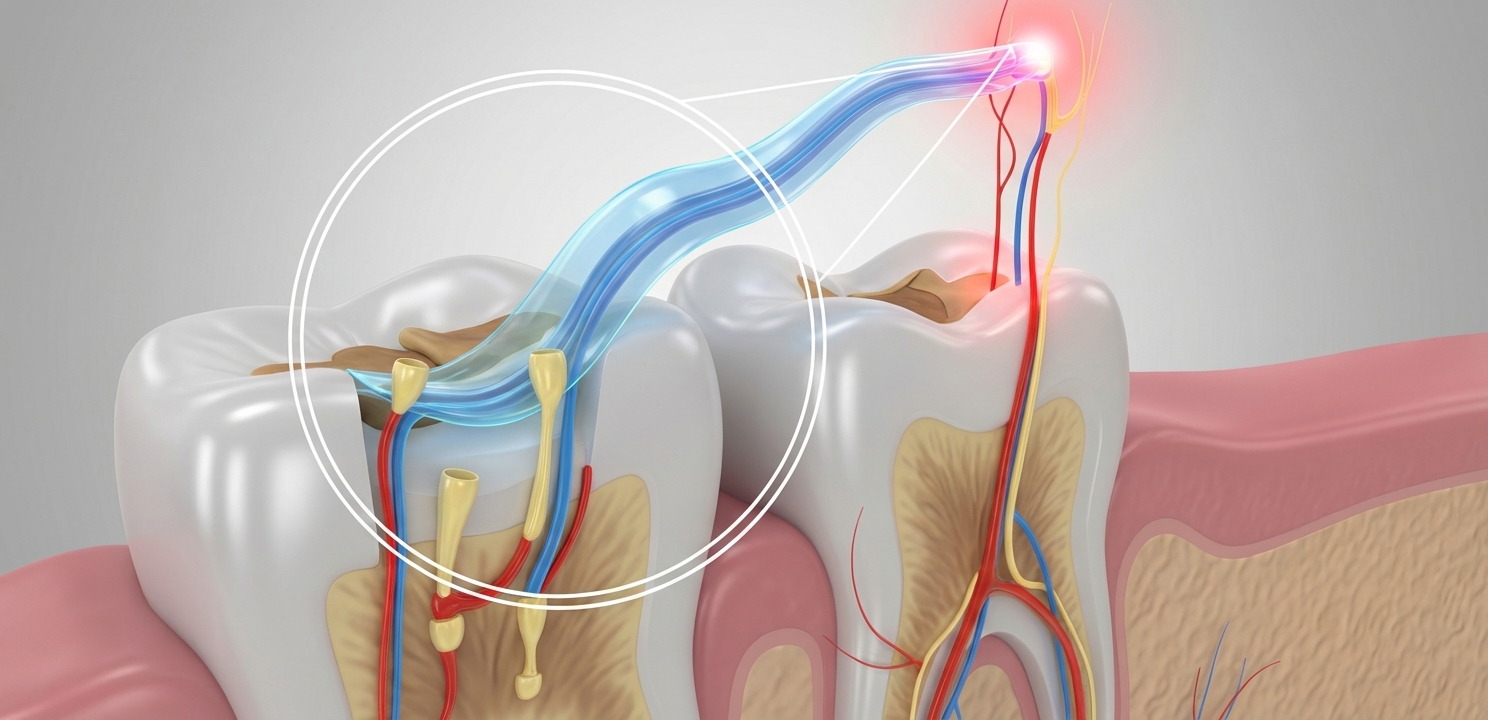
Beneath the enamel lies the dentin, a porous, bone-like tissue that makes up the bulk of the tooth. Dentin is not solid; it contains thousands of microscopic channels called tubules. These tubules run from the underside of the enamel directly to the tooth’s innermost core, the pulp. The pulp is a soft tissue containing nerves and blood vessels. When the protective enamel wears down or the gums recede, the dentin and its tubules become exposed. External triggers—such as hot, cold, acidic, or sugary substances—can then travel through these tiny channels and stimulate the nerves in the pulp, resulting in the sharp, shooting pain characteristic of sensitive teeth.
Key Culprits: Common Causes of Dentin Exposure
Tooth sensitivity doesn’t happen overnight. It is typically the result of factors that lead to the erosion of enamel or the recession of the gums, leaving the delicate dentin exposed. Identifying the specific cause is crucial for determining the most effective treatment plan.
Enamel Wear and Tear
Enamel is incredibly strong, but it is not invincible. Over time, certain habits and conditions can wear it down. One of the most common causes is aggressive brushing. Using a hard-bristled toothbrush or applying too much force when you brush can physically scrub away enamel and cause your gums to pull back. Similarly, bruxism, or chronic teeth grinding and clenching, puts immense pressure on the teeth, which can lead to fractures and wear down the enamel, especially on the chewing surfaces.
Diet also plays a significant role. Frequent consumption of highly acidic foods and beverages—such as citrus fruits, sodas, sports drinks, and wine—can chemically erode the enamel in a process called demineralization. Without its hard protective shell, the dentin is left vulnerable to stimuli.
Gum Recession and Its Triggers
Your gums are designed to protect the roots of your teeth. Unlike the crowns of your teeth, the roots are not covered by enamel. Instead, they are protected by a softer layer called cementum. When gums recede, this sensitive root surface becomes exposed. The leading cause of gum recession is periodontal disease, or gum disease. It begins as gingivitis, an inflammation of the gums, and can progress to periodontitis, where the gums pull away from the teeth, creating pockets where bacteria can thrive. Recognizing the 10 early signs of gum disease you should never ignore is vital for preventing the irreversible damage that leads to sensitivity and even tooth loss.
The Impact of Dental Procedures
It is not uncommon to experience temporary tooth sensitivity after certain dental treatments. Procedures like teeth whitening, professional cleanings, crown placements, or even having a filling done can cause short-term inflammation of the tooth pulp. This type of sensitivity is usually mild and subsides within a few days or weeks as the tooth and surrounding tissues heal.
Structural Damage: Cracks and Decay
A chipped or cracked tooth can create a direct pathway for stimuli to reach the dentin or even the pulp. Likewise, tooth decay (cavities) destroys the enamel. As a cavity deepens, it exposes the dentin, often causing sensitivity that is localized to the affected tooth. If left untreated, the decay can reach the pulp, leading to more severe and constant pain that may require a root canal.
Finding Relief: Solutions for Sensitive Teeth
Treating tooth sensitivity involves a two-pronged approach: managing the symptoms at home and seeking professional dental care to address the root cause. The right solution depends entirely on the severity and underlying reason for your discomfort.
At-Home Care and Lifestyle Adjustments
For mild sensitivity, several at-home strategies can provide significant relief.
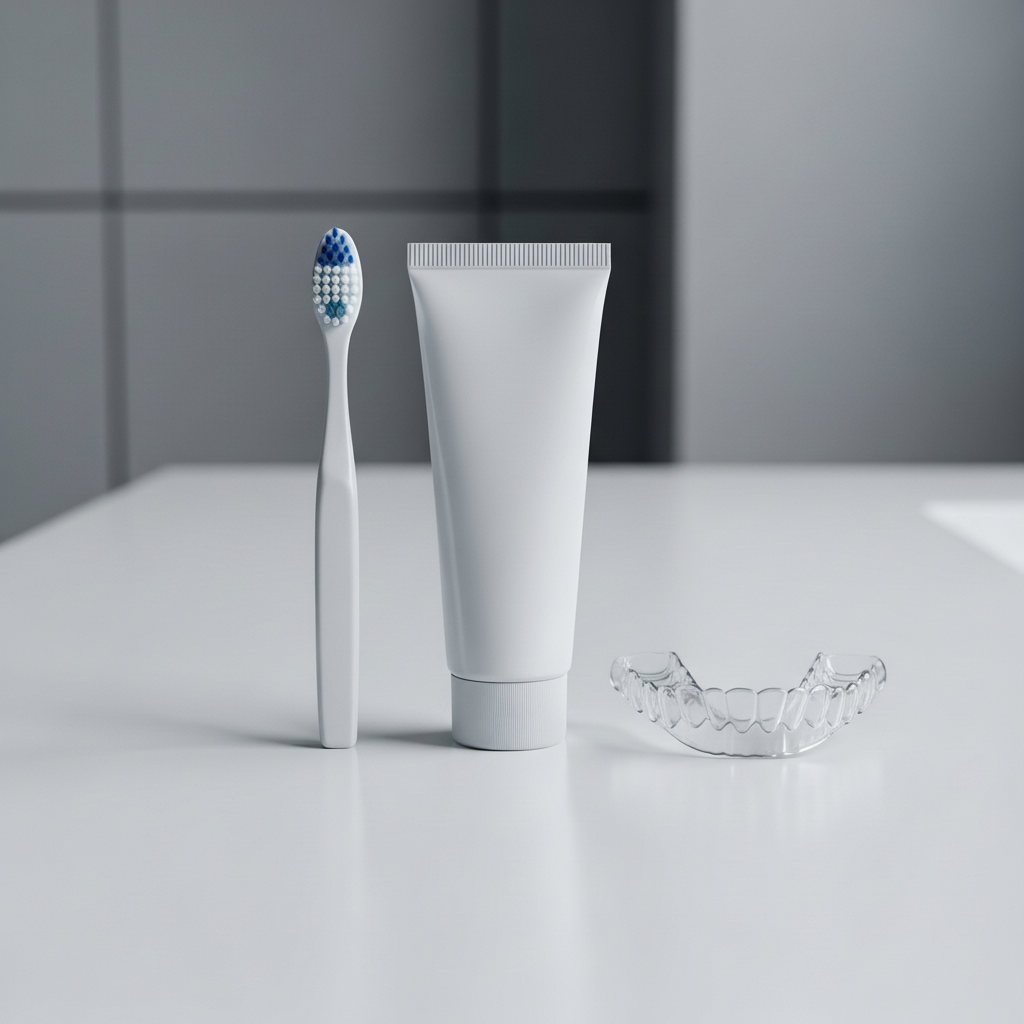
- Desensitizing Toothpaste: These specialized toothpastes contain compounds like potassium nitrate or stannous fluoride. Potassium nitrate helps to calm the tooth’s nerve, while stannous fluoride works by blocking the microscopic tubules in the dentin. Consistent use over several weeks is often needed to see results.
- Proper Oral Hygiene: Switch to a soft-bristled toothbrush and use gentle, circular brushing motions. This prevents further enamel erosion and gum recession.
- Dietary Modifications: Reduce your intake of acidic foods and drinks. When you do consume them, rinse your mouth with water afterward to help neutralize the acids.
- Mouthguard for Bruxism: If you grind your teeth at night, a custom-fitted mouthguard from your dentist can protect your teeth from further wear.
Professional Dental Interventions
When at-home remedies are not enough, a dentist can offer more targeted and permanent solutions.
- Fluoride Varnish: A professional application of concentrated fluoride varnish can strengthen tooth enamel and dentin, making your teeth more resistant to sensitivity triggers.
- Dental Bonding: For exposed root surfaces, a dentist can apply a tooth-colored bonding resin to cover the sensitive areas, creating a protective barrier.
- Gum Graft: In cases of significant gum recession, a surgical procedure called a gum graft can be performed. This involves taking a small piece of tissue from the roof of the mouth and attaching it to the receded gum line to cover the exposed root.
- Root Canal Therapy: For severe and persistent sensitivity that doesn’t respond to other treatments, a root canal may be the only option. This procedure removes the tooth’s nerve-filled pulp, eliminating the source of the pain entirely.
At-Home Remedies vs. Professional Treatments
Choosing the right path for managing your tooth sensitivity depends on the underlying cause and severity. While at-home care is fundamental for prevention and mild cases, professional intervention is often necessary to address the root of the problem and provide lasting relief. The table below outlines the key differences.
| Feature | At-Home Remedies | Professional Treatments |
|---|---|---|
| Primary Goal | Symptom management and prevention | Addressing the underlying structural cause |
| Examples | Desensitizing toothpaste, soft toothbrush, diet changes | Fluoride varnish, dental bonding, gum grafts, root canal |
| Speed of Relief | Gradual (days to weeks) | Often immediate or provides significant long-term relief |
| Cost | Low | Moderate to high, depending on the procedure |
| Best For | Mild, generalized sensitivity and ongoing maintenance | Moderate to severe sensitivity, localized pain, structural issues |
The Critical Role of Diet in Managing Sensitive Teeth
Your dietary choices have a direct and profound impact on your dental health, particularly when it comes to tooth sensitivity. The mechanisms behind sensitivity are often linked to chemical or physical damage to the tooth structure, much of which is influenced by what you eat and drink. As detailed in scientific reviews, dentin hypersensitivity is fundamentally caused by exposed dentin, and acid erosion from diet is a leading contributor to this exposure.
Foods and Beverages That Exacerbate Sensitivity
Certain foods and drinks should be consumed with caution if you are prone to sensitive teeth. Highly acidic items are the primary offenders because they soften and erode tooth enamel over time. This category includes citrus fruits (lemons, oranges, grapefruit), tomatoes, pickles, sodas, and sports drinks. Sugary foods like candy and desserts contribute to tooth decay, which in turn creates cavities that expose dentin. Additionally, consuming extremely hot or cold foods and drinks can act as direct triggers, causing immediate pain by stimulating the nerves through the exposed dentin tubules.
Building a Tooth-Friendly Diet
Conversely, a diet rich in certain nutrients can help fortify your teeth and reduce the risk of sensitivity. Calcium-rich foods like milk, cheese, and yogurt are essential for maintaining the mineral density of your enamel. Phosphorus, found in foods like eggs, fish, and lean meat, works alongside calcium to build strong teeth. High-fiber fruits and vegetables, such as apples and carrots, stimulate saliva production. Saliva is your body’s natural defense mechanism; it neutralizes acids, washes away food particles, and contains minerals that help remineralize enamel.