7 Signs You Might Need a Root Canal
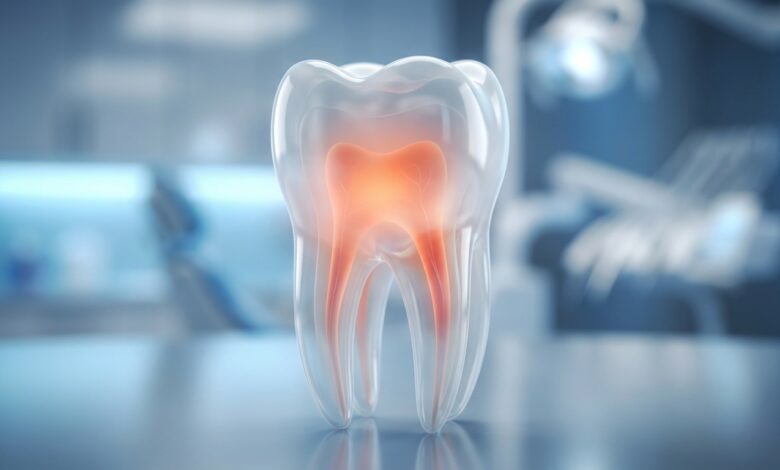
7 Signs You Might Need a Root Canal and why this procedure is a crucial step in preserving your dental health. For many, the phrase “root canal” can evoke feelings of anxiety, but modern dentistry has transformed this treatment into a comfortable, routine, and highly effective way to save a natural tooth from extraction. Understanding the signals your body sends is the first step toward addressing the problem and alleviating pain. Ignoring these signs can lead to more severe complications, including abscesses, bone loss, and the potential spread of infection. A root canal, technically known as endodontic therapy, is a treatment designed to eliminate bacteria from an infected root canal, prevent reinfection of the tooth, and save the natural tooth. It becomes necessary when the soft tissue inside your root canal, known as the pulp, becomes inflamed or infected.

The 7 Telltale Signs: When Your Tooth is Crying for Help
Recognizing the symptoms that indicate a problem with your tooth’s pulp is essential for seeking timely treatment. While some signs are subtle, others can be intensely painful and impossible to ignore. Paying attention to these warnings can be the difference between saving and losing a tooth.
1. Persistent and Severe Tooth Pain
This is often the most prominent and alarming sign. The pain isn’t a fleeting twinge; it’s a deep, throbbing ache that can be spontaneous or triggered by pressure. You might feel it deep within the bone of your tooth or as referred pain in your jaw, face, or other teeth. This persistent pain is a direct signal from the inflamed or infected pulp, where the tooth’s nerves are located. The pressure from the infection builds within the enclosed space of the pulp chamber, pressing on the nerves and causing significant discomfort that over-the-counter pain relievers may not fully manage.
2. Sensitivity to Hot and Cold
While many people experience some level of tooth sensitivity, a key indicator for a root canal is a lingering pain after the hot or cold stimulus is removed. For instance, if you drink a cold glass of water and the sharp pain in your tooth continues for more than 30 seconds, it’s a red flag. This prolonged sensitivity suggests that the nerves in the pulp are damaged and overreacting. The infection has likely compromised the nerve’s ability to function correctly, leading to this exaggerated and lasting response.
3. Swollen Gums
Swelling in the gums near a painful tooth is a clear sign that the infection is starting to spread. The inflammation can be tender to the touch, and the area may appear red and puffy. This localized swelling is caused by the accumulation of acidic waste products from dying pulp tissue and bacteria. If left untreated, this can lead to the formation of an abscess, which is a pocket of pus at the root of the tooth.
4. A Pimple on the Gums (Fistula)
Sometimes, a persistent or recurring pimple-like bump appears on the gums. This is known as a gumboil or a fistula. It is a channel created by the body to drain pus from the infected tooth root. While it might temporarily relieve the pressure and pain associated with an abscess, it is a definitive sign of an underlying infection that requires professional dental intervention. This “pimple” may release a foul-tasting discharge and is a direct communication from the infection deep within your jawbone.
5. Tooth Discoloration
An infection in the pulp can disrupt the blood supply to the tooth, causing it to die from the inside out. This lack of blood flow can cause the tooth to turn a grayish-black color. While tooth discoloration can have other causes, when it occurs in conjunction with pain or other symptoms, it strongly suggests internal damage to the pulp. This change in color is a result of the breakdown of red blood cells within the tooth’s internal structure.
6. Pain When Chewing or Touching the Tooth
If your tooth is exquisitely painful when you bite down, chew, or even just tap it lightly, it points to a serious issue. This sensitivity to pressure indicates that the periodontal ligament—the group of tissues that surrounds the root of the tooth—is inflamed. The infection from the pulp has spread to the end of the root, causing this hyper-sensitivity and making normal function difficult.
7. A Chipped or Cracked Tooth
A deep crack or chip in a tooth provides a direct pathway for bacteria to enter the pulp chamber, leading to inflammation and infection. Even if the trauma happened a long time ago, an infection can develop slowly. Similarly, deep decay that has been neglected is a major cause. Bacteria can work their way through the enamel and dentin to reach the pulp. This is why understanding what happens if you ignore a cavity is so crucial for preventing more complex issues.
Understanding the Root Canal Procedure: A Step-by-Step Guide
Contrary to popular myth, a root canal is not a painful procedure. With modern anesthetics and advanced techniques, the treatment is typically no more uncomfortable than getting a standard filling. The primary goal is to relieve the pain caused by the infection, not to create it. The process is meticulous and designed to thoroughly clean the inside of the tooth to ensure long-term success.
| Step | Action | Purpose |
|---|---|---|
| 1 | Diagnosis and Preparation | The dentist takes X-rays to see the shape of the root canals and determine the extent of the infection. Local anesthetic is administered to numb the area completely. |
| 2 | Isolation and Access | A small protective sheet called a “dental dam” is placed over the area to isolate the tooth and keep it clean and dry during the procedure. An access opening is then drilled into the tooth. |
| 3 | Cleaning the Root Canals | The diseased pulp, bacteria, and related debris are removed from the tooth. The dentist uses highly specialized, small instruments to clean out the pulp chamber and root canals. |
| 4 | Shaping and Disinfecting | After cleaning, the canals are shaped to prepare them for filling. They are irrigated with disinfecting solutions to wash away any remaining debris and kill any lingering bacteria. |
| 5 | Filling the Canals | Once thoroughly cleaned and dried, the interior of the tooth is filled with a biocompatible, rubber-like material called gutta-percha. It is sealed in place with an adhesive cement. |
| 6 | Sealing and Restoration | A temporary or permanent filling is placed to seal the access hole. A permanent restoration, most often a dental crown, is required to protect the tooth from fracture and restore its full function. |
What Happens After a Root Canal? Recovery and Aftercare
After your root canal treatment, your tooth and the surrounding gums may feel a little sensitive or tender for a few days as the inflammation subsides. This is a normal part of the healing process and can typically be managed with over-the-counter pain medication. It is advisable to avoid chewing on the treated tooth until it has been permanently restored with a crown. The tooth is more fragile following the procedure because the pulp, which provided hydration, has been removed. A dental crown provides the necessary strength and protection for the long term. Proper oral hygiene, including brushing and flossing, is as important as ever to ensure the health of the treated tooth and surrounding tissues. The success rate for endodontic therapy is very high, with most treated teeth lasting a lifetime. Scientific literature confirms that the long-term prognosis for teeth that have undergone root canal treatment is excellent, making it a reliable and predictable procedure. This is supported by extensive research, such as studies on the long-term survival of endodontically treated teeth.
Why You Might Need a Root Canal Treatment
At its core, the need for a root canal arises from an irreversible inflammation or infection of the tooth’s pulp. This delicate inner tissue, composed of blood vessels, nerves, and connective tissue, is vital during a tooth’s development. However, once a tooth is fully mature, it can survive without the pulp because it continues to be nourished by the tissues surrounding it. Several events can lead to pulp damage. The most common cause is deep dental decay (cavities) that penetrates the outer layers of the tooth to reach the pulp. Other causes include repeated dental procedures on the same tooth, faulty crowns, or trauma such as a crack, chip, or forceful impact, which can damage the pulp even if there is no visible damage to the tooth itself. When bacteria invade the pulp, they multiply, and the pulp becomes infected, eventually leading to a painful abscess if not treated.
The Benefits of Choosing a Root Canal
Opting for a root canal is a decision to preserve your natural smile and dental function. The benefits are significant when compared to the alternative of tooth extraction.
It Saves Your Natural Tooth
The most important benefit is that a root canal allows you to keep your tooth. Nothing looks, feels, or functions quite like your natural tooth. Maintaining your own teeth helps preserve the natural alignment of your jaw, preventing other teeth from shifting out of position.
It Eliminates Pain and Infection
The procedure is designed to remove the source of the pain: the infected pulp. By cleaning out the bacteria and sealing the tooth, the treatment resolves the infection and provides lasting relief from the severe pain that often precedes it.
It Restores Normal Function
Once the tooth is treated and restored with a crown, it can function like any other tooth. You can return to normal biting and chewing without pain or sensitivity, improving your overall quality of life.
It is Aesthetically Pleasing
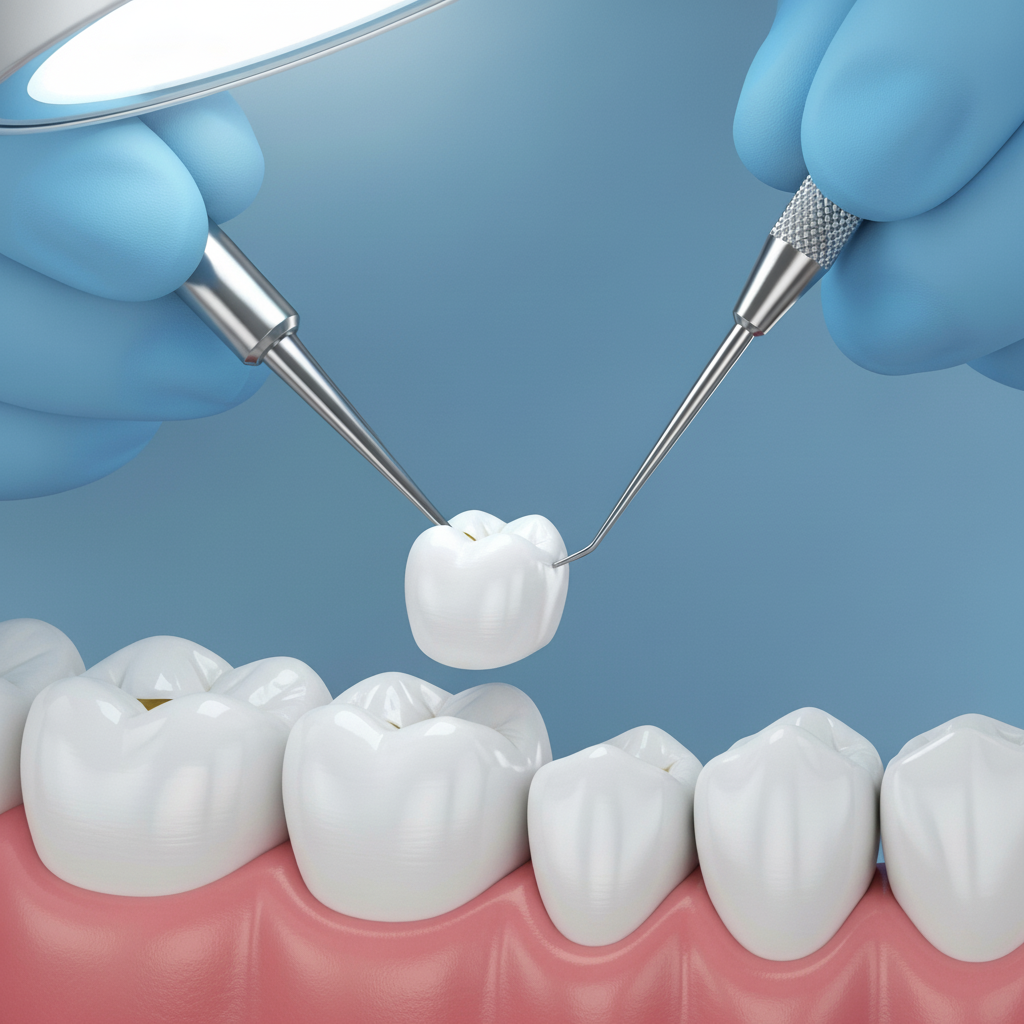
A tooth that has been treated with a root canal and covered with a modern, well-crafted porcelain crown is virtually indistinguishable from the surrounding natural teeth. It restores not only function but also a seamless and beautiful smile.