How to Fix Yellow Teeth Fast
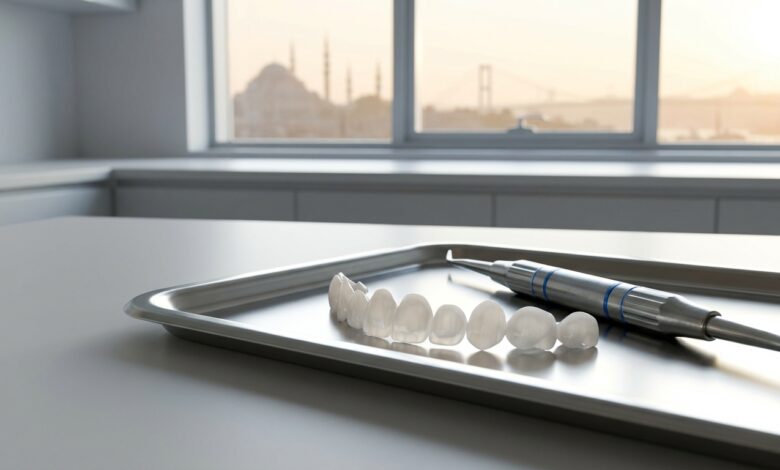
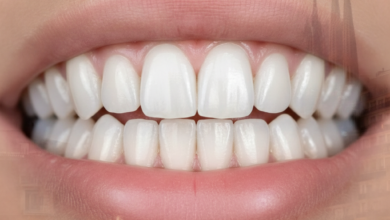
How to Fix Yellow Teeth Fast, a goal shared by many, is more achievable than ever with modern cosmetic dentistry. A bright, white smile is often associated with health, youth, and confidence, but various factors can lead to tooth discoloration, leaving you feeling self-conscious. The good news is that whether your teeth have yellowed due to lifestyle habits, genetics, or age, there are effective and reliable professional solutions to restore their natural brilliance. Understanding the root cause of the discoloration is the first step toward choosing the most suitable and lasting treatment for a radiant smile. From powerful in-office whitening to transformative smile makeovers with veneers or crowns, achieving your ideal shade is a clear and straightforward process.
Understanding the Causes of Tooth Discoloration
Before exploring the solutions, it is essential to understand why teeth turn yellow. Tooth discoloration is generally categorized into two main types: extrinsic and intrinsic staining. Identifying which type is affecting your smile is crucial for selecting the most effective treatment plan.
Extrinsic Stains
Extrinsic stains are the most common cause of yellow teeth. These stains occur on the surface of the tooth enamel, which is the hard, outer layer of your teeth. Because they are on the surface, they are often the easiest to address. The primary culprits behind extrinsic staining include:
- Foods and Beverages: Darkly pigmented foods and drinks are major contributors. Coffee, tea, red wine, cola, and dark berries contain strong color pigments called chromogens that attach to the enamel. Acidic foods and drinks can also erode the enamel, making it easier for stains to latch on.
- Tobacco Use: Both smoking and chewing tobacco are detrimental to the color of your teeth. Tar and nicotine are chemicals in tobacco that cause stubborn yellow and brown stains on the tooth surface.
- Poor Dental Hygiene: Inadequate brushing and flossing allow plaque, a sticky film of bacteria, to build up on your teeth. Plaque can harden into tartar (calculus), which has a yellowish appearance and can only be removed by a dental professional. It also makes the teeth sticky, attracting more stains from food and drink.
Intrinsic Stains
Intrinsic stains originate from within the tooth structure, in the dentin layer that lies beneath the enamel. This type of discoloration is more resistant to traditional whitening methods because the stain is not on the surface. Intrinsic yellowing can be caused by a variety of factors:
- Aging: As we age, the outer layer of enamel on our teeth naturally thins, becoming more translucent. This allows the yellowish color of the underlying dentin to show through more prominently, making the teeth appear yellow.
- Medications: Certain medications can cause deep-seated stains. The antibiotic tetracycline, if taken by a mother during pregnancy or by a child whose teeth are still developing (before age 8), can cause permanent grey or yellow banding on the teeth. Some antihistamines, antipsychotic drugs, and medications for high blood pressure can also lead to discoloration.
- Trauma or Injury: A fall or impact to a tooth can cause it to produce more dentin as a protective response, which can darken the tooth. Trauma can also damage the nerve and blood supply, causing the tooth to “die” and turn grey, yellow, or brown from the inside out.
- Genetics: Your genetic makeup plays a role in the natural shade, thickness, and brightness of your enamel. Some people are simply born with enamel that is thinner or less white than others.
Understanding these different causes is vital. As detailed in studies on tooth discoloration, while extrinsic stains often respond well to professional whitening, intrinsic stains frequently require cosmetic solutions like veneers or crowns to effectively mask the discoloration and create a uniformly white smile.
Professional Solutions to Fix Yellow Teeth
While over-the-counter products offer minimal results, professional dental treatments provide safe, effective, and lasting solutions for yellow teeth. Depending on the cause and severity of your discoloration, a qualified dentist can recommend a treatment tailored to your specific needs and aesthetic goals.
Professional Teeth Whitening (Bleaching)
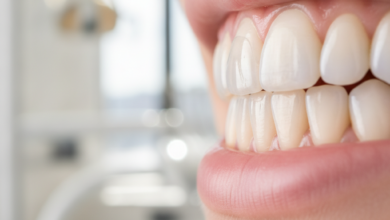
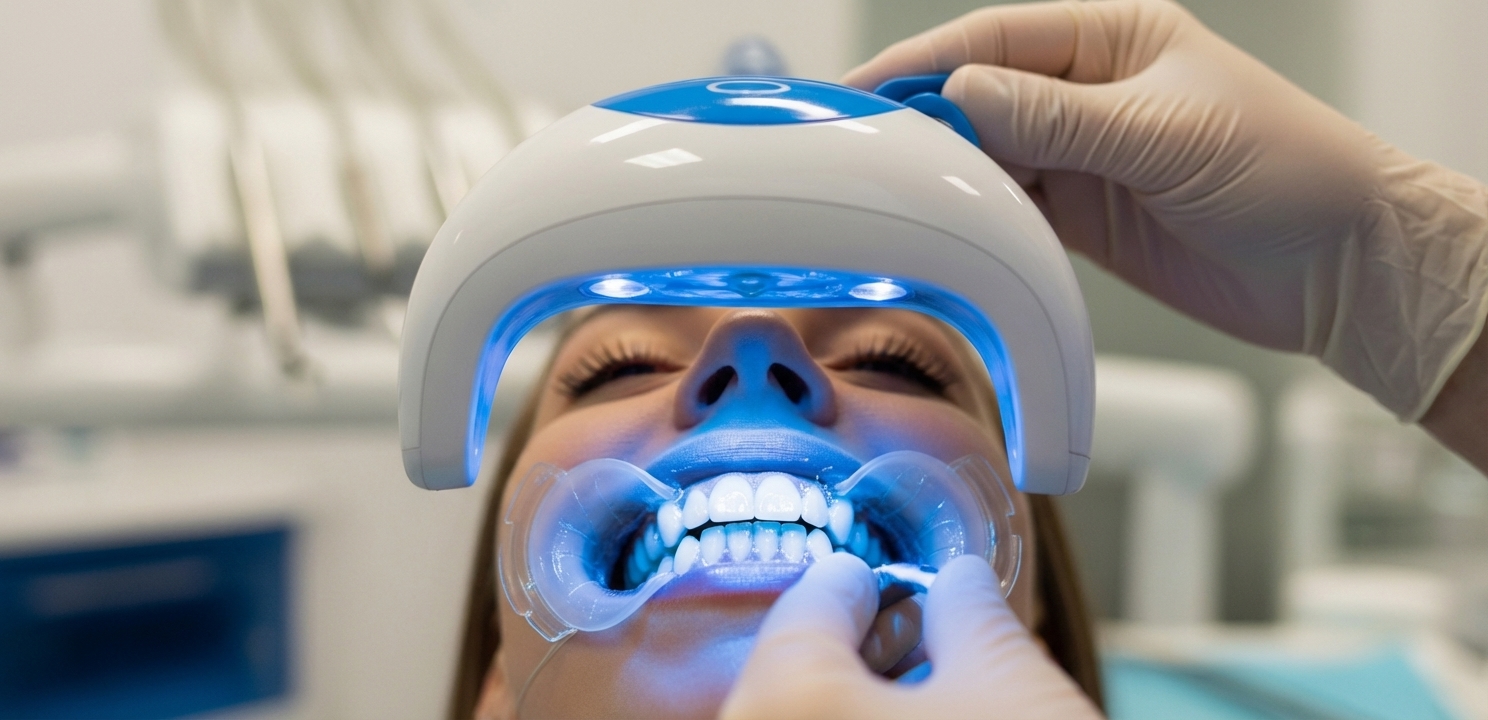
Professional teeth whitening is one of the most popular and fastest ways to correct yellowing caused by extrinsic stains. Unlike store-bought kits, in-office whitening uses a high-concentration hydrogen peroxide or carbamide peroxide gel that is professionally applied and monitored by a dentist. This ensures both safety and maximum effectiveness. The procedure typically involves applying the bleaching agent directly to the teeth, which is then often activated by a specialized light or laser. This activation process accelerates the chemical reaction, breaking down stubborn stains in a single visit of about 60-90 minutes. The result is a smile that is several shades whiter, providing a dramatic and immediate improvement.
Dental Veneers for a Perfect Smile
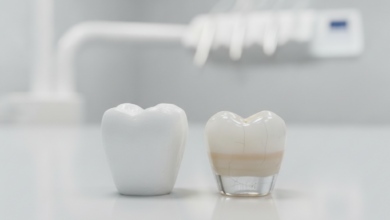
For deep, intrinsic stains that do not respond to bleaching, dental veneers offer a premier solution. Veneers are ultra-thin, custom-made shells of high-grade porcelain or composite resin that are bonded to the front surface of the teeth. They act as a new facade for your smile, masking imperfections beneath. Veneers are ideal for correcting severe discoloration, including tetracycline stains, as well as fixing issues like chips, cracks, gaps, and minor misalignment. The process involves a consultation, minimal preparation of the tooth enamel, taking a precise impression, and then bonding the custom-crafted veneers into place. The result is a completely transformed, perfectly white, and beautifully shaped smile that is both durable and highly stain-resistant. This treatment is a cornerstone of cosmetic dentistry, and many patients wonder if it is safe to get veneers in Turkey, where advanced clinics offer world-class results.
Dental Crowns for Comprehensive Restoration
When a yellow tooth is also significantly damaged, decayed, or has a large, failing filling, a dental crown may be the best option. A crown, or “cap,” is a custom-made restoration that covers the entire tooth from the gum line up. It not only provides a new, white exterior but also restores the tooth’s original shape, size, strength, and function. While the tooth preparation for a crown is more extensive than for a veneer, it is the superior choice for compromised teeth. Made from materials like all-porcelain or zirconia, modern crowns offer exceptional aesthetics that are indistinguishable from natural teeth, providing a durable and comprehensive solution for both cosmetic and structural dental problems.
Comparing Your Options: Whitening vs. Veneers vs. Crowns
Choosing the right treatment depends on your specific dental situation and desired outcome. This table provides a clear comparison of the primary professional methods used to fix yellow teeth.
| Feature | Professional Whitening | Dental Veneers | Dental Crowns |
|---|---|---|---|
| Primary Use Case | Mild to moderate extrinsic (surface) stains from coffee, tea, and smoking. | Severe extrinsic and intrinsic stains, chips, gaps, and minor misalignment. | Severe discoloration combined with significant decay, damage, or structural weakness. |
| Invasiveness | Non-invasive. No alteration of the natural tooth structure. | Minimally invasive. Requires removal of a very thin layer of enamel from the tooth front. | Invasive. Requires significant reshaping of the natural tooth to fit the crown over it. |
| Treatment Time | Fastest results. A single in-office visit of 60-90 minutes. | Typically requires two visits over one to two weeks for creation and placement. | Typically requires two visits over one to two weeks for preparation and placement. |
| Durability & Longevity | Results last from 6 months to 3 years, depending on lifestyle and oral hygiene. Touch-ups may be needed. | Highly durable. Porcelain veneers can last 10-20 years with proper care. | Very durable. Can last 15 years or more, providing long-term structural support. |
| Stain Resistance | Natural teeth will continue to be susceptible to new stains after whitening. | High-quality porcelain is highly resistant to staining from coffee, wine, and tobacco. | Porcelain and zirconia crowns are highly stain-resistant. |
Maintaining Your Bright Smile After Treatment
Regardless of the treatment you choose, maintaining the results requires a commitment to excellent oral hygiene and mindful lifestyle habits. To keep your smile looking its best for years to come, it is essential to follow a consistent care routine.
Essential Oral Hygiene Practices
The foundation of a lasting white smile is diligent daily care. Brush your teeth at least twice a day for two minutes with a soft-bristled toothbrush and a non-abrasive whitening toothpaste. Floss daily to remove plaque and food particles from between your teeth and along the gum line, where stains can easily accumulate. Incorporating an antiseptic mouthwash can further help reduce plaque and keep your breath fresh.
Lifestyle and Dietary Adjustments
To prevent new stains from forming, try to limit your consumption of highly pigmented foods and beverages like coffee, red wine, tea, and soy sauce. When you do indulge, consider using a straw to minimize contact with your front teeth. Rinsing your mouth with water after consuming staining substances can also help wash away chromogens before they have a chance to set. Quitting smoking is one of the single best things you can do for both your oral health and the appearance of your smile.
Regular Dental Check-ups and Cleanings
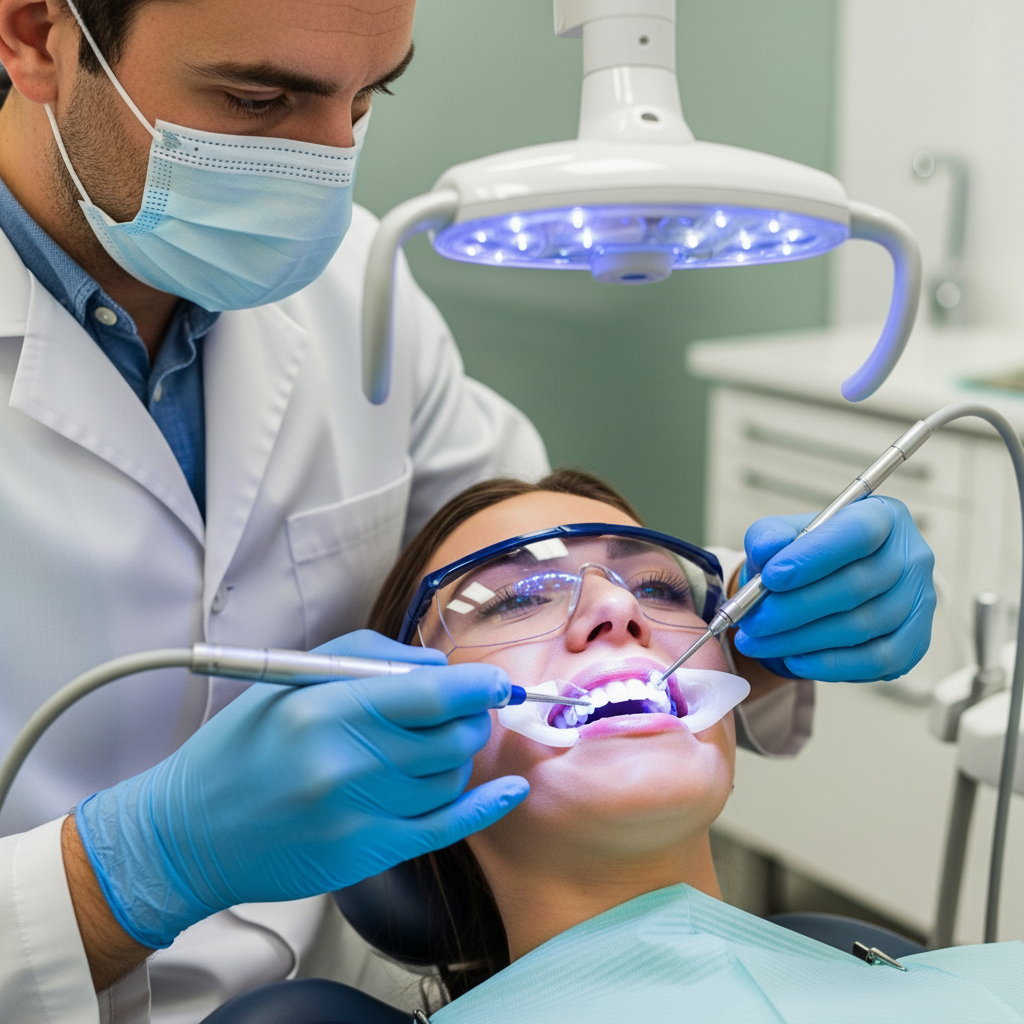
Professional dental cleanings are crucial for maintaining your cosmetic investment. Schedule check-ups every six months. During these visits, a hygienist will remove any surface stains and hardened plaque (tartar) that your daily brushing cannot handle. These regular appointments ensure that your teeth and gums remain healthy and your smile stays as bright as possible.