¿Cuántos días hay que quedarse en Turquía para implantes?
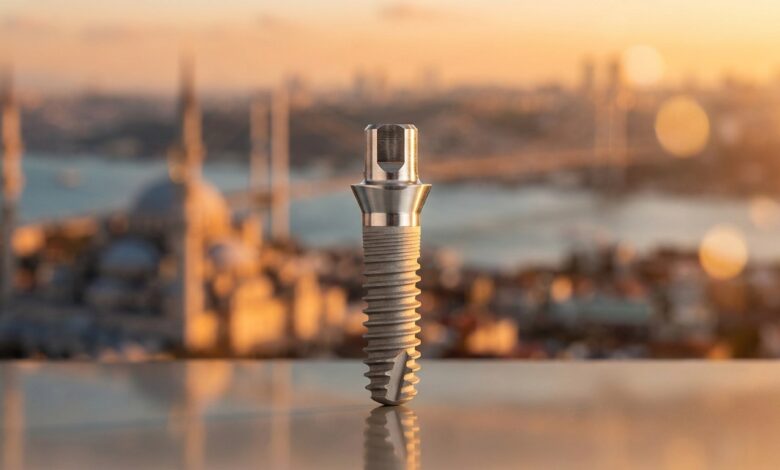
Antes de reservar vuelos y pedir días libres en el trabajo, conviene saber cuántos días hay que quedarse en Turquía para ponerse implantes dentales. La respuesta no es una cifra única: el tratamiento con implantes se desarrolla en varias fases y depende de un proceso biológico de cicatrización que no se puede acelerar. En la mayoría de los casos son necesarios dos viajes separados por varios meses. A continuación se explica qué ocurre en cada estancia, cuánto suele durar y qué factores pueden alargar el calendario.
Por qué el tratamiento se divide en dos viajes
El éxito de un implante depende de la osteointegración, es decir, de la unión estructural y funcional entre el hueso vivo y la superficie del implante, normalmente de titanio. Como se trata de un proceso natural de cicatrización, necesita su tiempo. Por eso el tratamiento suele organizarse en dos fases: una quirúrgica, en la que se coloca el implante, y otra restauradora, en la que se coloca la corona definitiva.
Primer viaje: colocación del implante (unos 5 a 8 días)
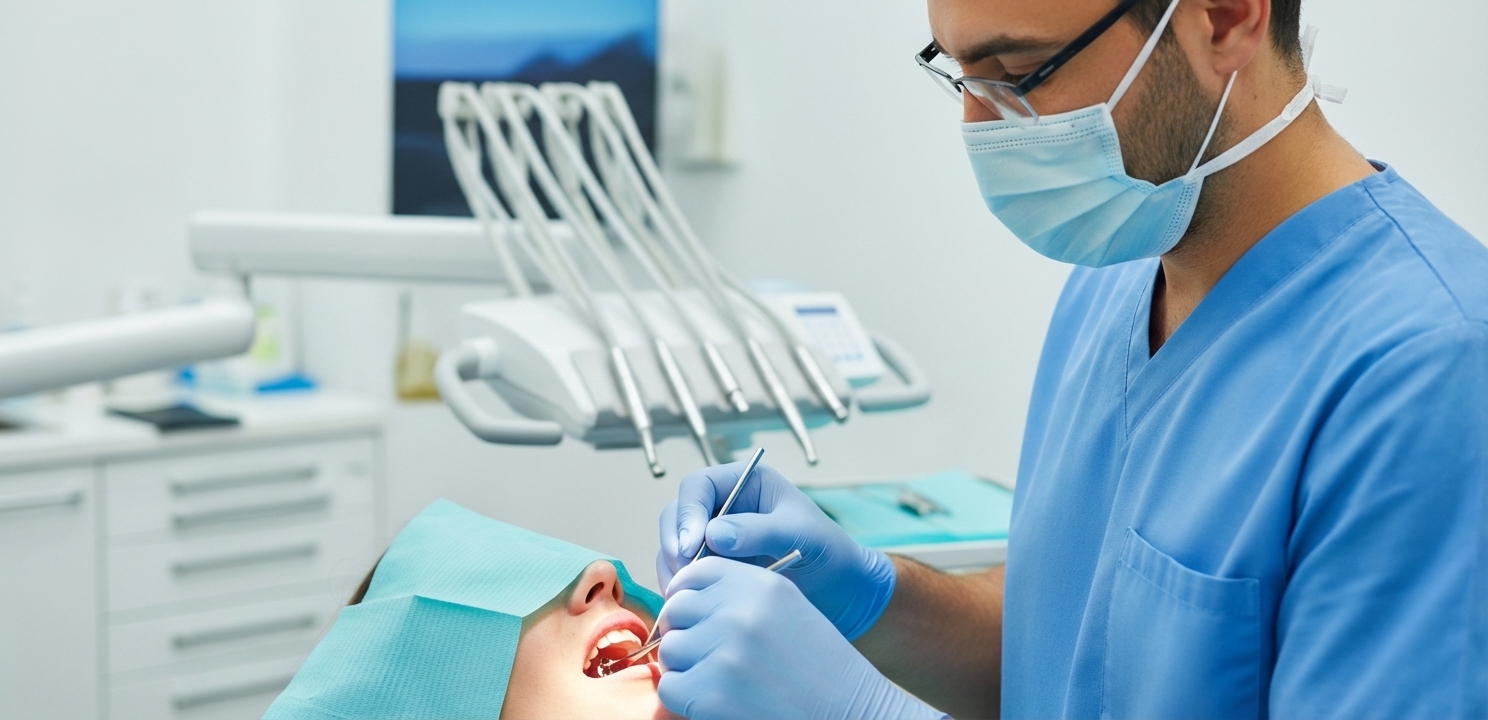
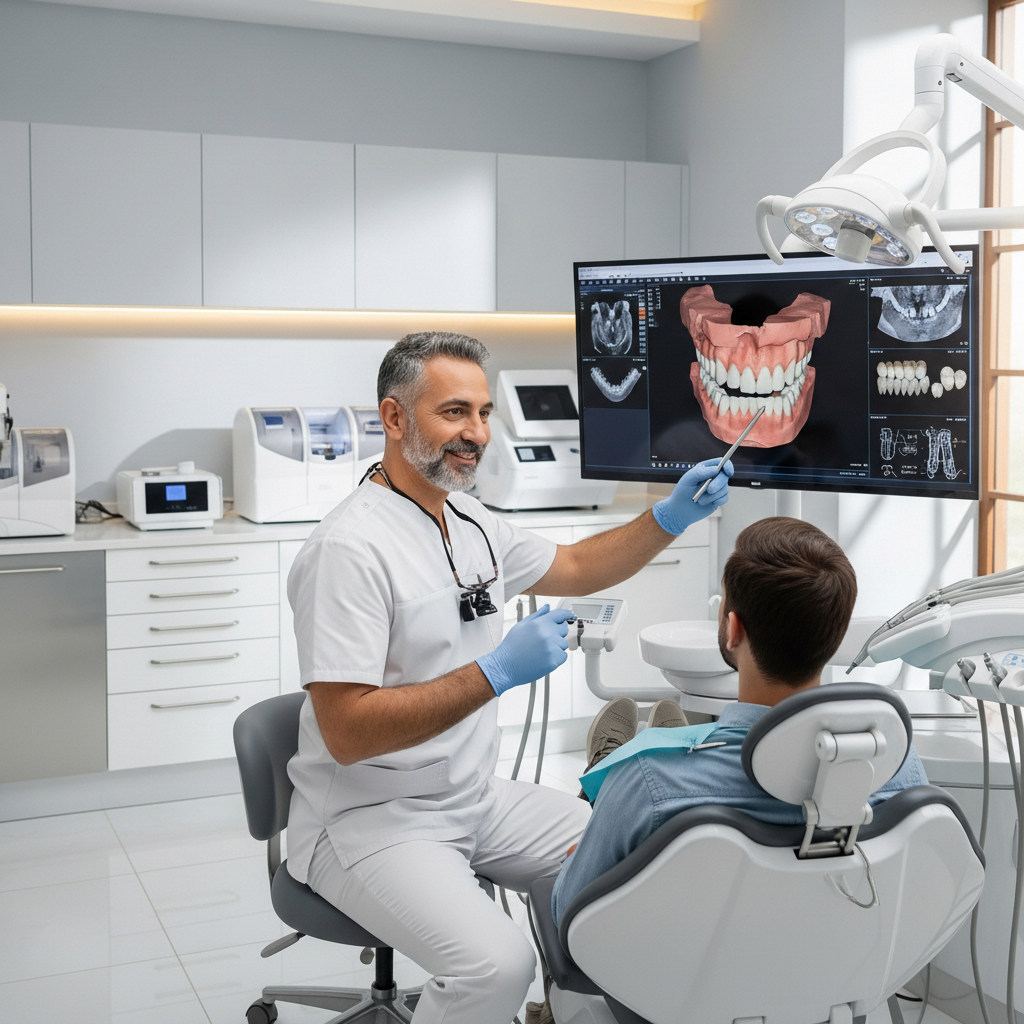
El primer viaje suele ser el más largo, con una duración habitual de 5 a 8 días según la complejidad del caso y el protocolo de la clínica. Al llegar se realiza una consulta presencial con el cirujano y un estudio con tomografía computarizada de haz cónico (CBCT), que muestra en 3D el hueso, el recorrido de los nervios y las estructuras vecinas. Con esa información se cierra el plan de tratamiento.
La cirugía se hace normalmente con anestesia local y, como orientación, suele llevar alrededor de una hora por implante. El cirujano abre la encía, prepara el hueso y coloca el implante; después sutura la encía y, en algunos casos, coloca un tapón de cicatrización. Los días siguientes se dedican a revisiones para controlar la cicatrización inicial y descartar complicaciones. Antes de volar de vuelta, el paciente recibe instrucciones de cuidado y, si procede, la medicación necesaria.
Cicatrización en casa: de 3 a 6 meses
Tras el primer viaje, el paciente vuelve a España para un periodo de cicatrización que suele durar entre 3 y 6 meses. Durante ese tiempo, las células óseas crecen sobre la superficie biocompatible del titanio y el implante queda integrado en el hueso. La duración depende de la calidad del hueso, del estado general de salud y de la zona de la boca. Acortar esta fase puede comprometer la estabilidad del implante y aumentar el riesgo de fracaso.
Segundo viaje: colocación de la corona (unos 5 a 7 días)
Cuando las radiografías confirman que la osteointegración ha concluido, se organiza el segundo viaje, que suele ser algo más corto. Se expone la parte superior del implante y se coloca el pilar, la pieza que une el implante con la corona visible. Después se toman impresiones precisas y el laboratorio fabrica la corona a medida, habitualmente de circonio o porcelana, adaptando color, forma y tamaño a los dientes vecinos. Unos días más tarde se prueba la corona, se comprueba la mordida y se fija definitivamente sobre el pilar.
Calendario orientativo: cuántos días en Turquía para implantes dentales
La siguiente tabla resume las fases habituales para implantes unitarios o varios implantes individuales. Los plazos son aproximados y varían según cada caso.
| Fase | Qué se hace | Días en Turquía | Tiempo total transcurrido |
|---|---|---|---|
| 1. Valoración inicial | Contacto a distancia, envío de radiografías, plan y presupuesto preliminares. | 0 (desde casa) | 1–2 semanas |
| 2. Primer viaje (cirugía) | Consulta presencial, CBCT, colocación de los implantes y revisiones postoperatorias. | 5–8 días | Fin del primer viaje |
| 3. Cicatrización | Osteointegración del implante; el paciente está en España. | 0 (en casa) | 3–6 meses |
| 4. Segundo viaje (restauración) | Colocación del pilar, impresiones, fabricación y fijación de la corona definitiva. | 5–7 días | Fin del segundo viaje |
Cómo planificar los viajes desde España
Con vuelos directos de unas cuatro horas desde Madrid o Barcelona a Estambul, muchos pacientes organizan cada estancia en torno a una semana. Algunos consejos prácticos:
- Reservar con margen: conviene dejar uno o dos días adicionales por si el cirujano quiere una revisión extra antes del vuelo.
- Pensar en el trabajo: tras la cirugía puede haber inflamación durante algunos días; es preferible no reincorporarse al trabajo justo al día siguiente del regreso.
- Calcular el coste total: los dos viajes, el alojamiento, las comidas y los días sin trabajar forman parte del presupuesto real.
- Prever el seguimiento en España: es útil contar con un dentista local que pueda revisar la evolución durante la cicatrización o atender una urgencia.
- Pedir el calendario por escrito: con las fechas de cada fase y lo que incluye cada visita.
Por qué muchos pacientes eligen Turquía para implantes
Precio y materiales
El motivo principal suele ser el coste. En España los implantes se pagan, por lo general, de forma privada, y en Turquía los costes de funcionamiento más bajos se reflejan en el precio. Muchas clínicas de Estambul y otras grandes ciudades trabajan con sistemas de implantes de marcas reconocidas internacionalmente. Al comparar, conviene confirmar por escrito la marca del implante y el material de la corona, porque son factores que influyen mucho en el precio.
Tecnología y experiencia
Las clínicas orientadas a pacientes internacionales suelen disponer de escáneres CBCT, cámaras intraorales y sistemas CAD/CAM para diseñar coronas. Muchos implantólogos y cirujanos orales turcos tienen formación de posgrado y pertenecen a asociaciones profesionales, pero la experiencia varía según el centro. Es razonable preguntar quién hará la cirugía y qué cualificación tiene.
Inconvenientes a valorar
Hacer dos viajes supone más planificación y gastos que un tratamiento cerca de casa. Si surge una complicación en los meses de cicatrización, habrá que resolverla con un dentista en España o volviendo a Turquía. Conviene preguntar antes cuál es la política de la clínica ante complicaciones.
Factores que pueden alargar el tratamiento
El calendario de dos visitas es el más habitual, pero algunas situaciones clínicas lo modifican.
Calidad del hueso e injertos óseos
Un implante necesita suficiente hueso sano para anclarse. Si un diente falta desde hace tiempo, el hueso de esa zona puede haberse reabsorbido y hacer falta un injerto óseo para recuperar volumen. Ese injerto se realiza antes de colocar el implante y puede añadir de 4 a 6 meses de cicatrización al calendario total.
Rehabilitaciones completas
Los plazos descritos corresponden a implantes unitarios o múltiples. Las rehabilitaciones de arcada completa siguen protocolos distintos. Técnicas como los implantes All-on-4, que sostienen un puente completo sobre cuatro implantes, permiten en ocasiones colocar una prótesis provisional en la primera visita. Aun así, la prótesis definitiva se coloca solo cuando el proceso de osteointegración ha concluido.
Capacidad de cicatrización de cada persona
Cada organismo cicatriza a su ritmo. La edad, el estado general de salud y los hábitos influyen en la velocidad de curación. Enfermedades como la diabetes pueden ralentizarla, y el tabaco aumenta el riesgo de complicaciones y de fracaso del implante. El dentista tendrá en cuenta todos estos factores al fijar el calendario.
Preguntas frecuentes
¿Se pueden poner implantes en un solo viaje?
En algunos casos se coloca una prótesis provisional en el primer viaje, pero la restauración definitiva suele requerir esperar a la osteointegración, por lo que lo habitual son dos viajes.
¿Puedo volar justo después de la cirugía?
Normalmente se recomienda esperar unos días y pasar las revisiones postoperatorias antes de volar. El cirujano indicará cuándo es seguro hacerlo.
¿Qué ocurre si necesito un injerto óseo?
El injerto se realiza antes del implante y puede añadir varios meses de espera, lo que en ocasiones implica un viaje adicional.
Los plazos exactos solo pueden definirse tras una exploración individual. Lo recomendable es obtener un diagnóstico y un plan de tratamiento por escrito de un dentista o cirujano oral cualificado y colegiado antes de organizar los viajes.

Solicite su plan de tratamiento y presupuesto
Cuéntenos brevemente qué necesita. Su solicitud se envía a una clínica dental en Turquía, que le contactará con un plan de tratamiento y un precio. Sin compromiso.